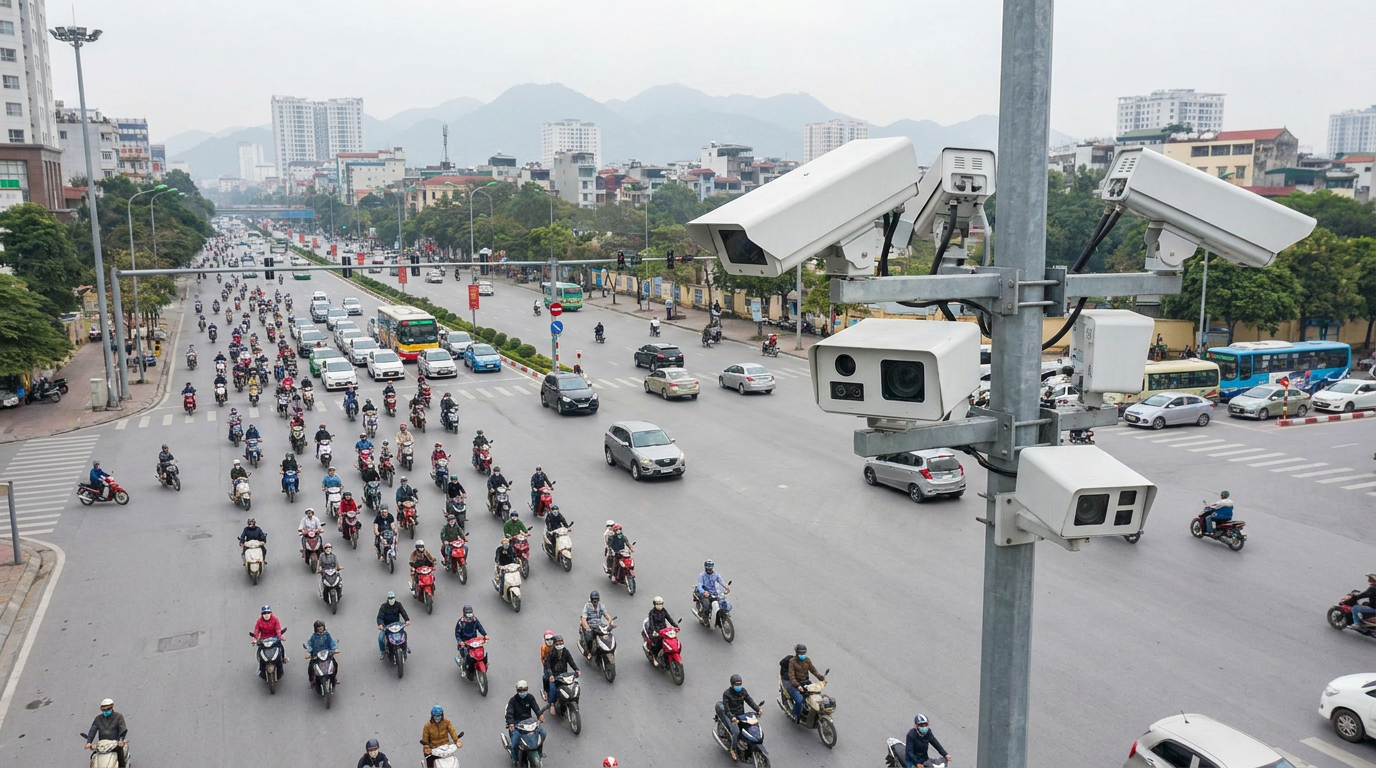
AI traffic counting cameras are a solution that integrates computer vision and deep learning into traffic monitoring systems, automatically detecting, counting, and classifying vehicles in real-time. In Vietnam, this technology is being deployed in Hanoi (nearly 1,900 cameras) and Ho Chi Minh City to adjust traffic light cycles, reduce congestion, and increase infrastructure operational efficiency.
What is an AI traffic counting camera?
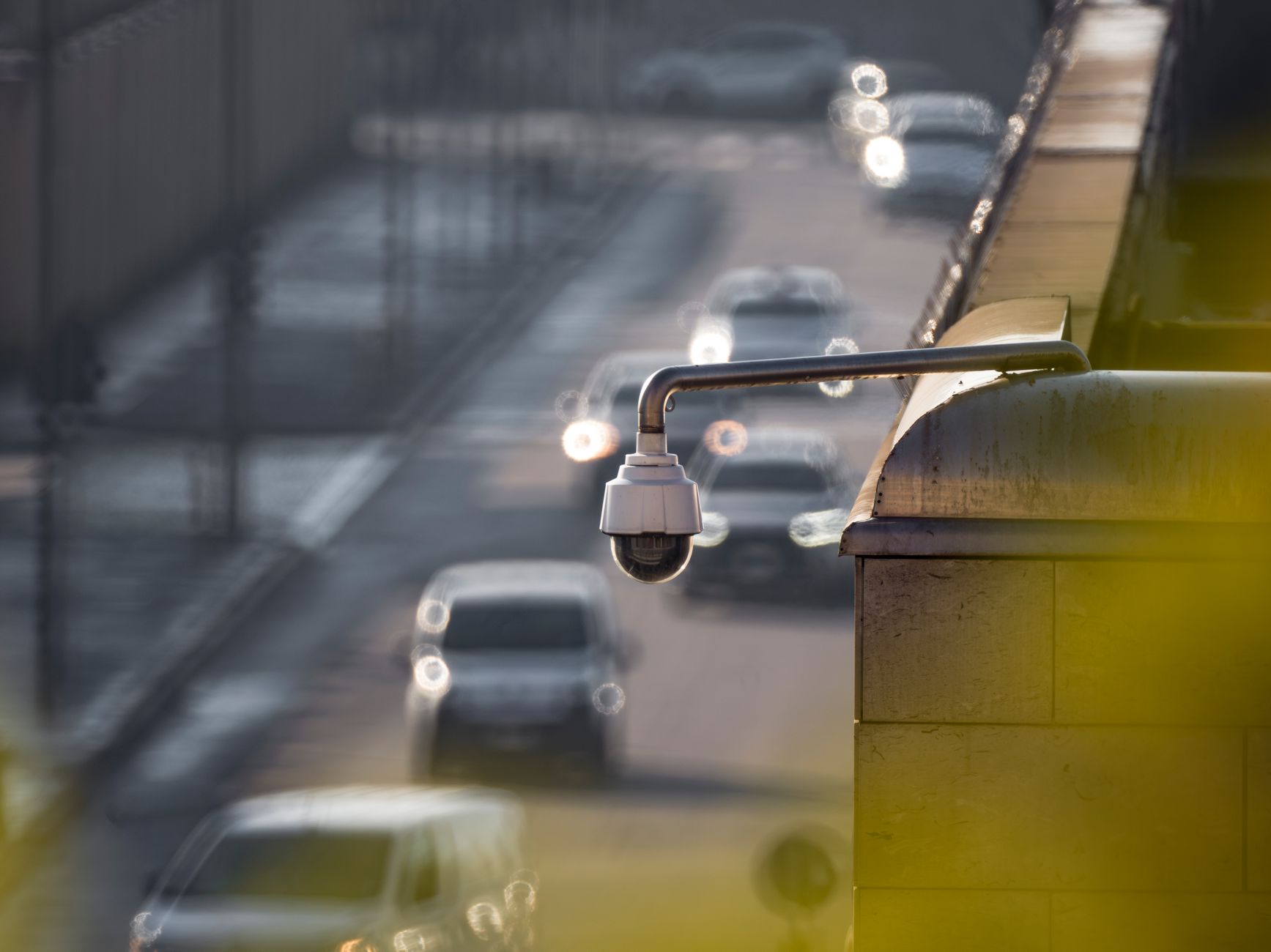
An AI traffic counting camera is a camera system integrated with an on-board AI processing chip (Edge AI) or connected to a central server, using convolutional neural networks (CNN) to detect, count, and classify vehicles (motorcycles, cars, trucks) from a live video stream. Unlike regular cameras that only record, AI cameras can semantically analyze each frame and make instant decisions.
This system typically includes: high-resolution IP cameras (≥2MP), an AI module (SoC like NVIDIA Jetson or Hailo chip), image processing software, and a management interface. The output data includes vehicle count per lane, average speed, density, and waiting time — input parameters for intelligent traffic light control systems.
Operating principle: 4 steps from sensor to light control
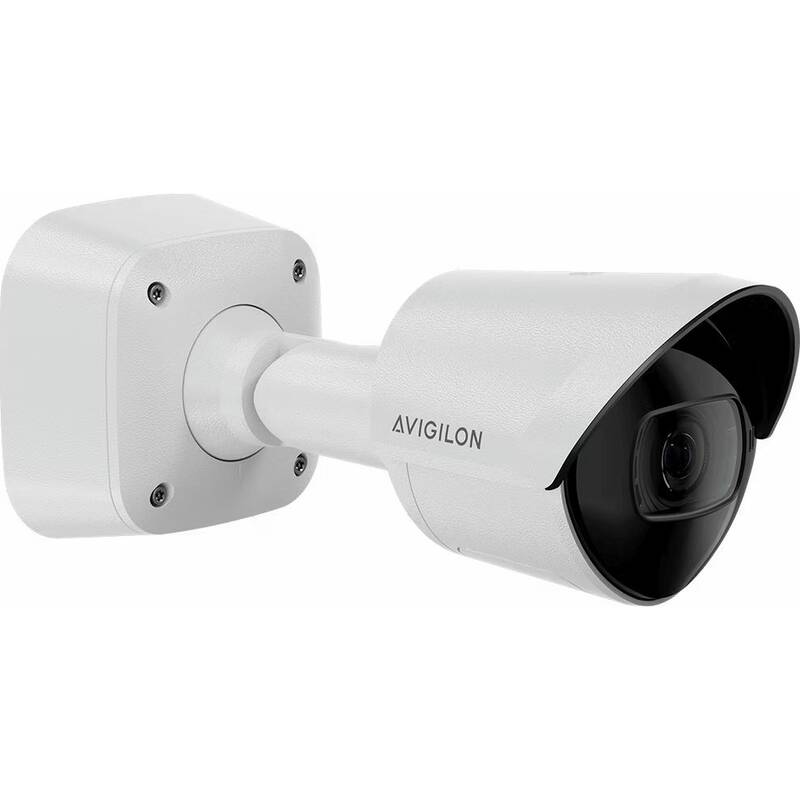
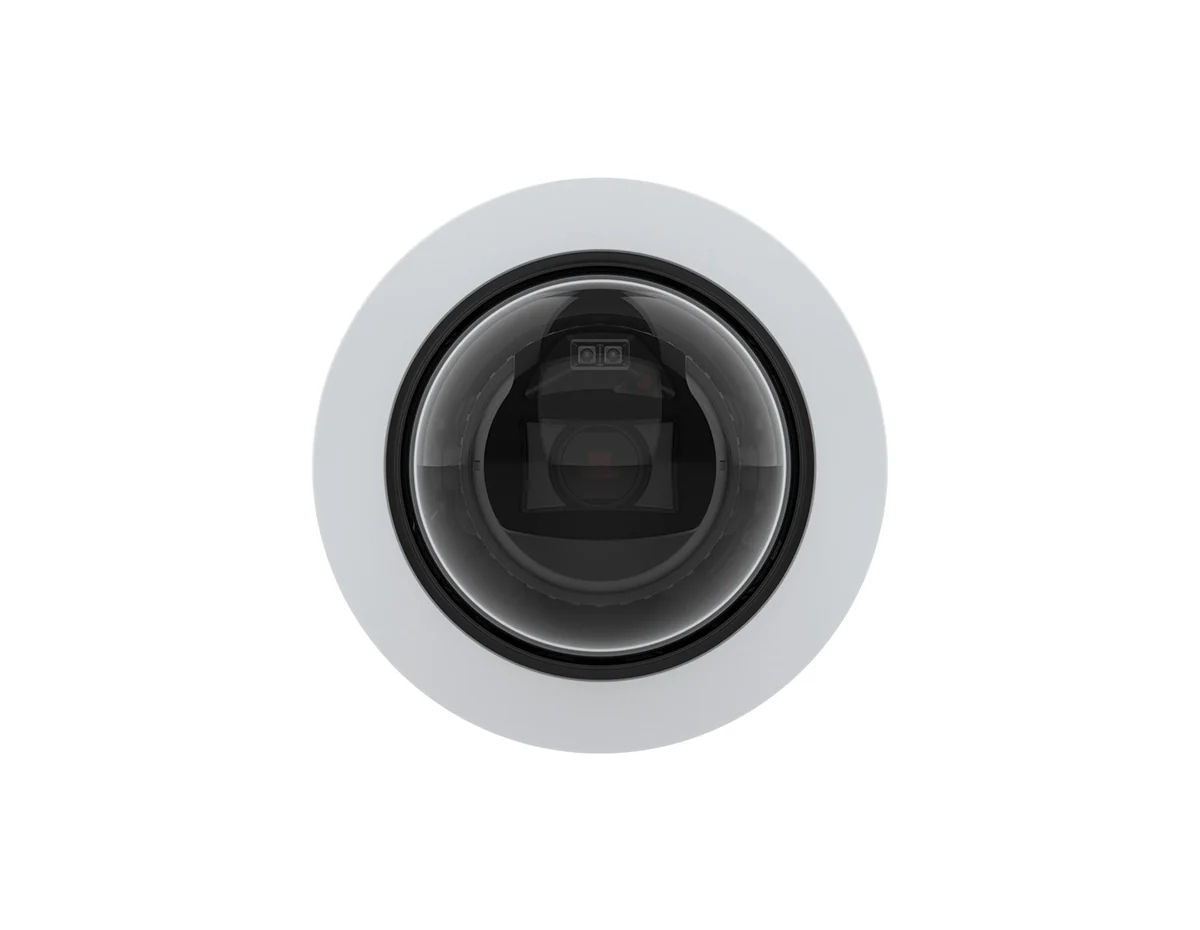
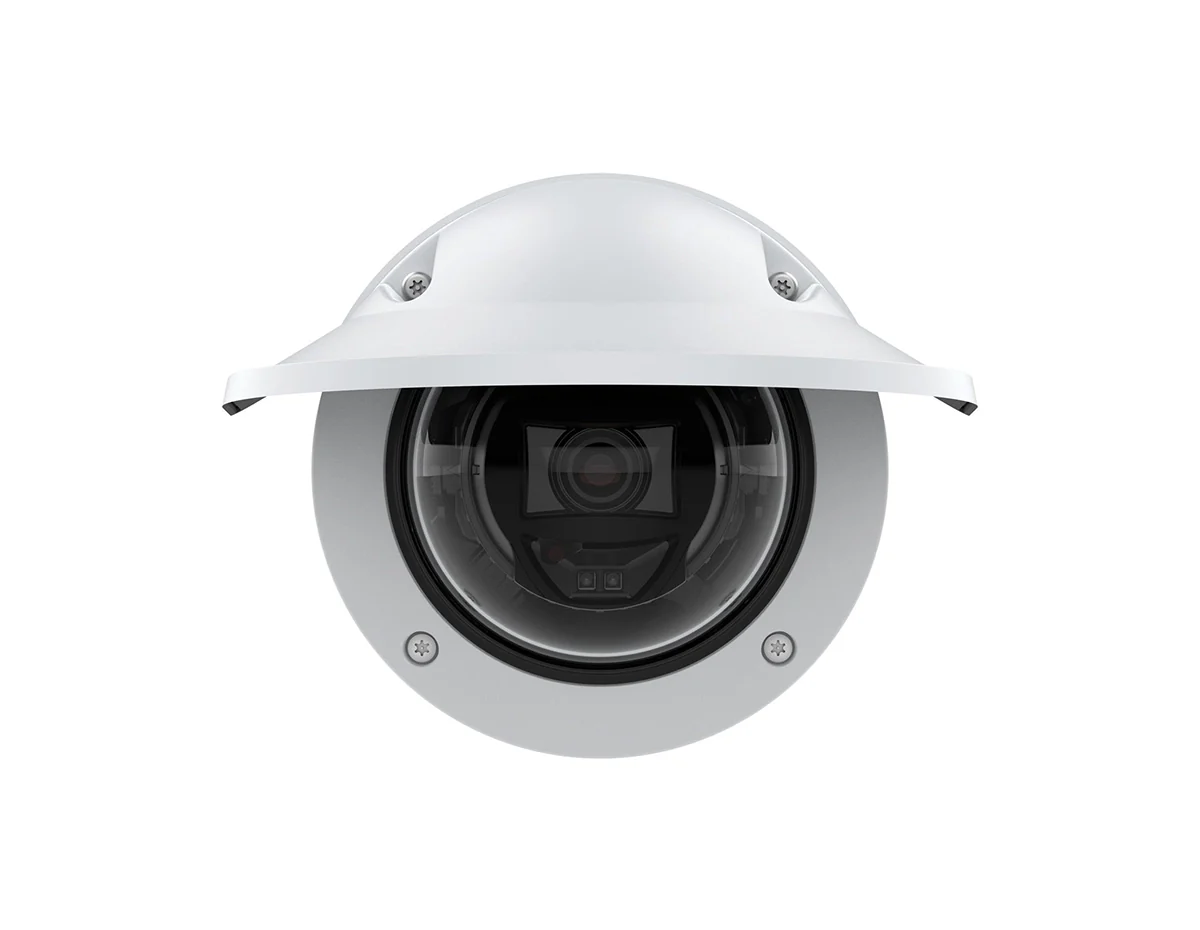
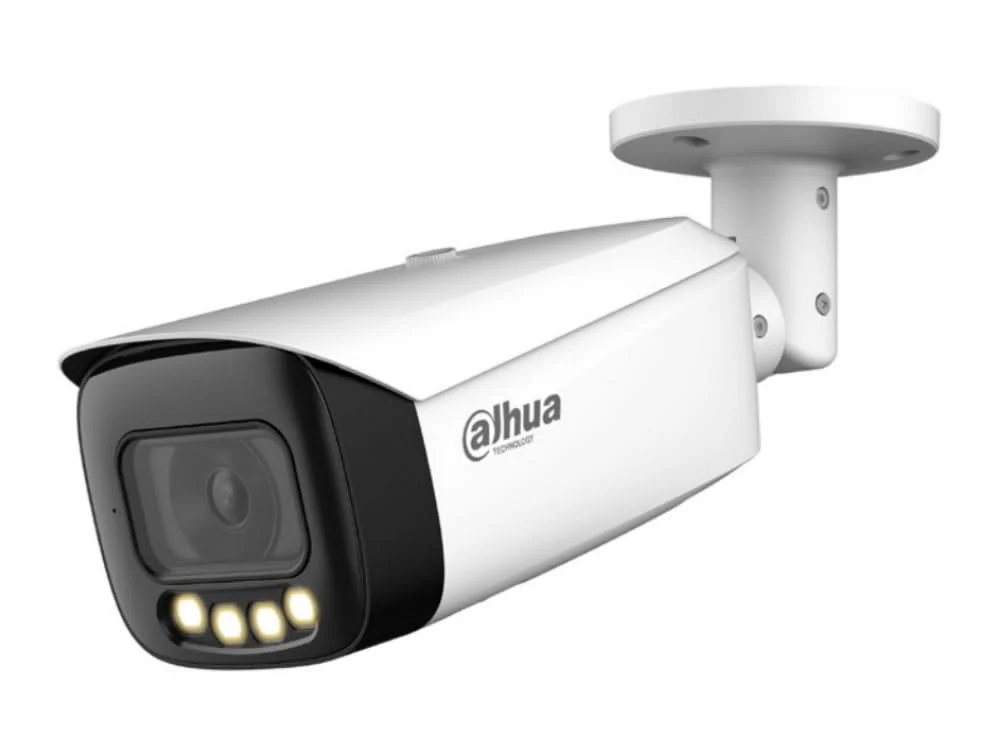
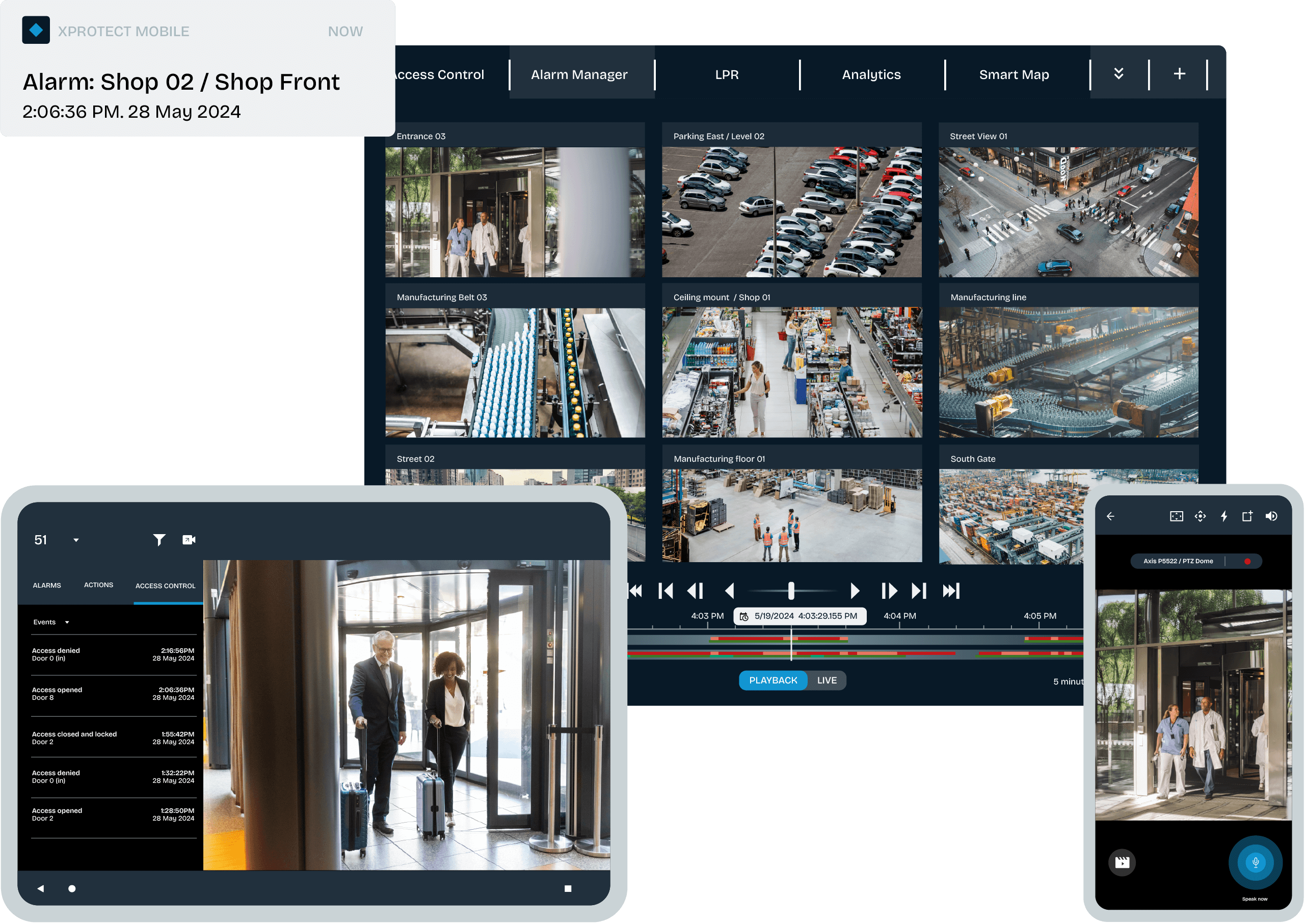
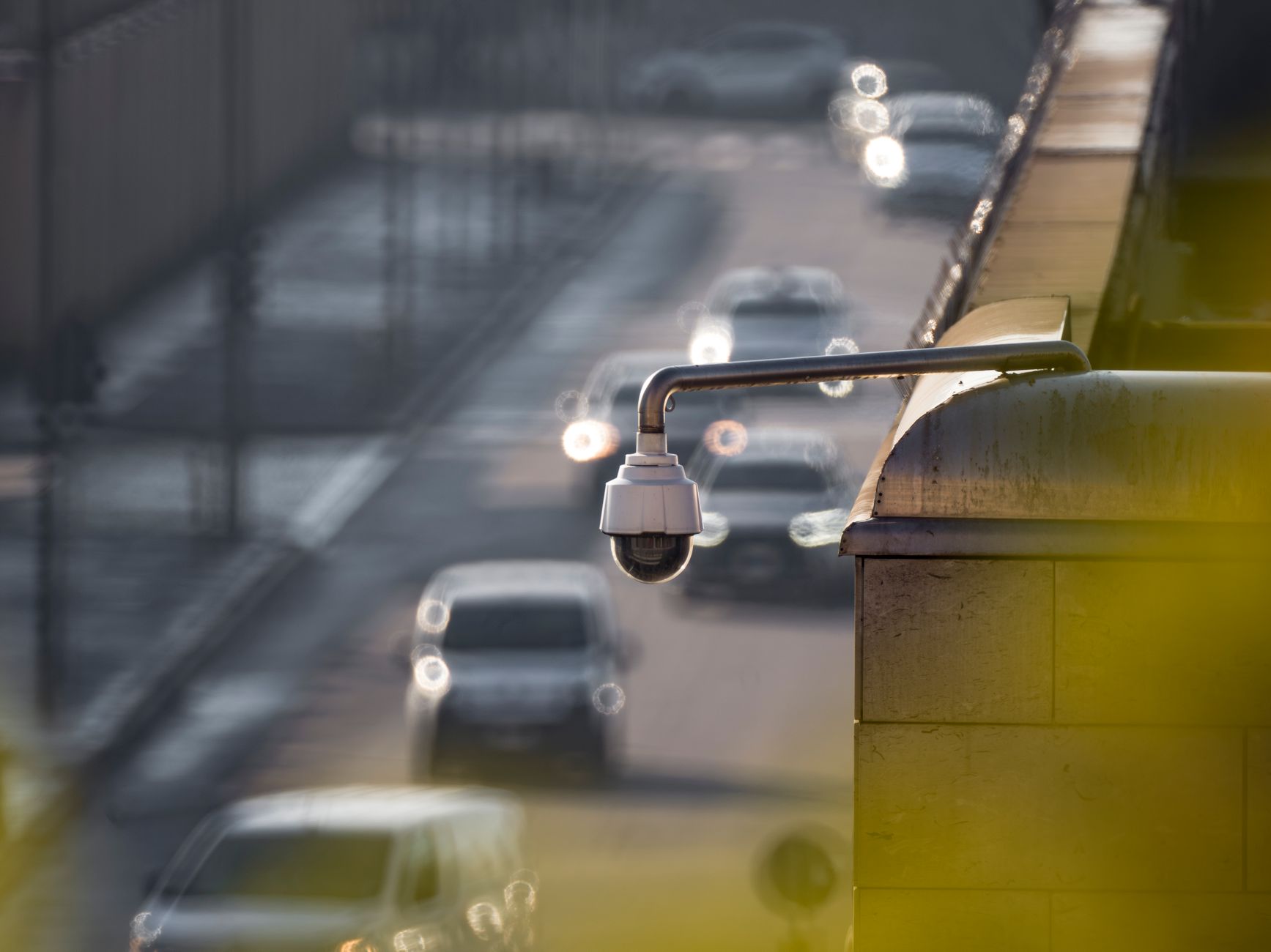
The operating process of an AI traffic counting camera goes through 4 main steps: image acquisition → vehicle detection and classification using deep learning → real-time counting and tracking → data transmission to the traffic light control center. Each step has its own technical requirements.
- Step 1: Image acquisition — IP cameras (typically 4MP or 8MP) record a video stream at 25-30 fps. Wide-angle lenses (2.8mm-6mm) cover 2-3 lanes. Sony Starvis or Omnivision CMOS sensors help capture good images in low-light conditions.
- Step 2: Detection and classification — AI models (YOLOv8, EfficientDet, or ResNet) analyze each frame. Each vehicle is labeled: motorcycle, car, truck, bus. Accuracy reaches 95-99% with diverse training data.
- Step 3: Counting and tracking — Tracking algorithms (Deep SORT, ByteTrack) assign a unique ID to each vehicle, counting entries/exits in a region of interest (virtual line). Data is updated every 1-2 seconds.
- Step 4: Traffic light optimization — Traffic flow data (vehicles/minute/lane) is sent to the central controller (PLC or SCADA). The system calculates optimal green/red light times based on actual density, reducing waiting time by 20-40% compared to fixed cycles.
Comparison of AI cameras with infrared sensors and inductive loops
Infrared sensors and inductive loops are traditional technologies, but AI cameras are superior in classification capability, flexibility, and maintenance costs. The table below provides a detailed comparison.
| Criteria | AI Camera | Infrared Sensor | Inductive Loop |
|---|---|---|---|
| Vehicle classification | Yes (motorcycles, cars, trucks) | No | No |
| Counting accuracy | 95-99% | 85-92% | 90-95% |
| Weather impact | Slight reduction in heavy rain | Significant reduction in fog | No impact |
| Installation cost | 15-30 million VND/camera | 8-15 million VND/station | 10-20 million VND/loop |
| Maintenance | Low (firmware updates) | Medium (sensor cleaning) | High (road surface repair) |
| Scalability | High (easy to add cameras) | Medium | Low |
See a more detailed comparison of AI cameras vs infrared sensors in metro passenger counting applications to better understand the pros and cons of each technology.