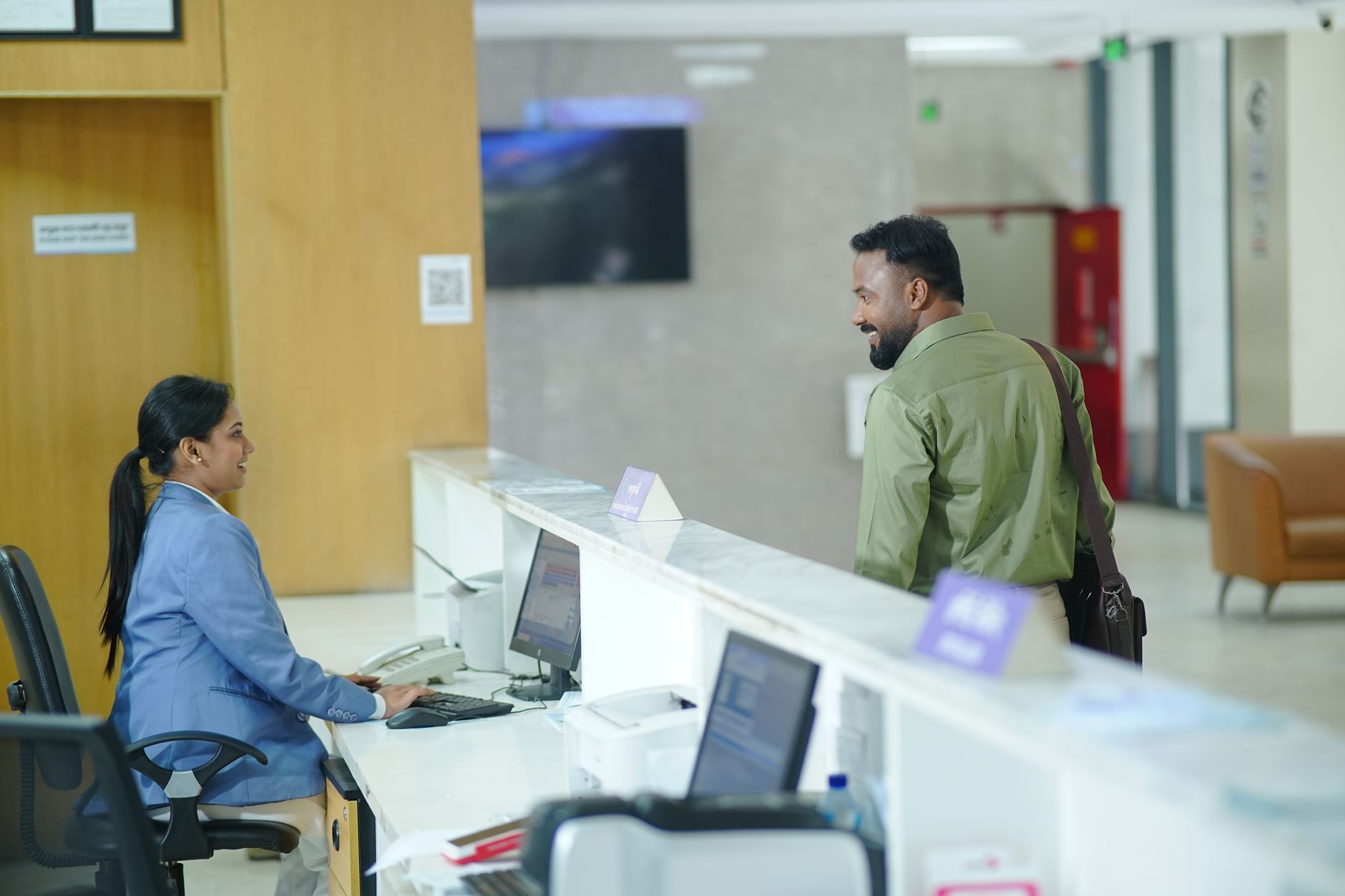
Patient flow analytics is a solution integrating AI cameras and smart sensors to measure and analyze patient movement flow in real time within hospitals. In Vietnam, this technology is being deployed at central-level and private hospitals to reduce waiting times, optimize appointment schedules, and enhance patient experience.
What Is Patient Flow Analytics?

Patient flow analytics is the process of collecting, processing, and analyzing data on patient movement across hospital areas — from clinics, emergency rooms, laboratories to pharmacies — in order to optimize workflow and resources.
The system uses people counting cameras and infrared sensors to record the number of patients in each area, waiting times, and service times. Data is aggregated into a realtime dashboard, helping hospital leadership make data-driven decisions — such as redeploying doctors from less busy departments to crowded ones, or opening additional reception counters during peak hours.
Key Metrics in Patient Flow Analytics
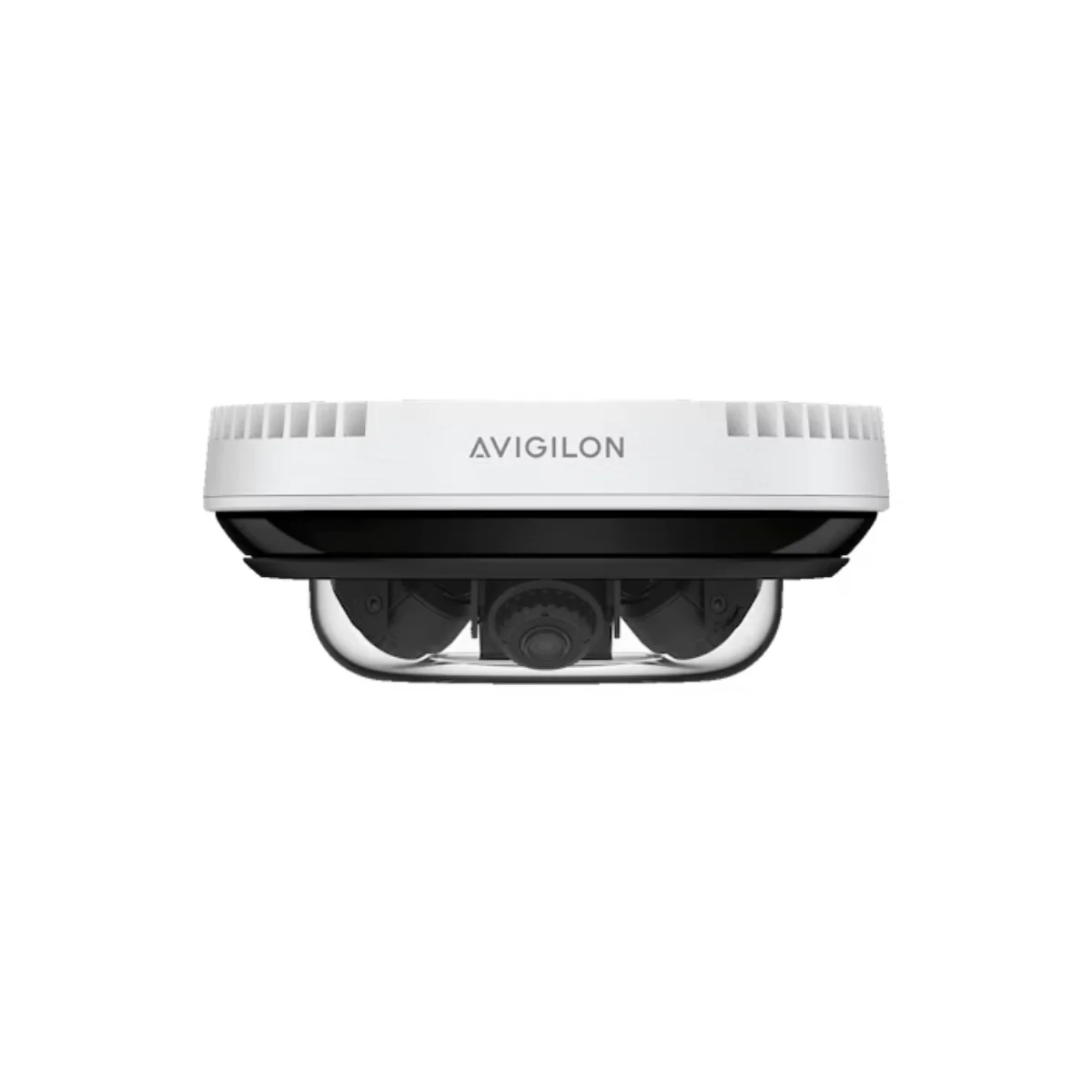
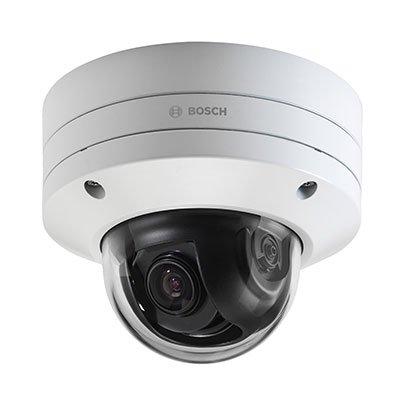


Dwell time, queue length, throughput, and occupancy rate are the four core metrics that help hospitals measure patient flow performance.
- Dwell time: The time a patient stays in an area — from arrival to departure. For example, average waiting time at a clinic is 25-45 minutes.
- Queue length: The number of patients waiting in line at a given time. This data helps forecast peak hours and coordinate staffing promptly.
- Throughput: The number of patients completing a process (e.g., finishing a consultation) within a specific time period, usually calculated per hour.
- Occupancy rate: The ratio of occupied beds or clinic rooms to total capacity. The ideal rate is 80-85% to avoid overload.
What Technologies Are Used to Deploy Patient Flow Analytics?
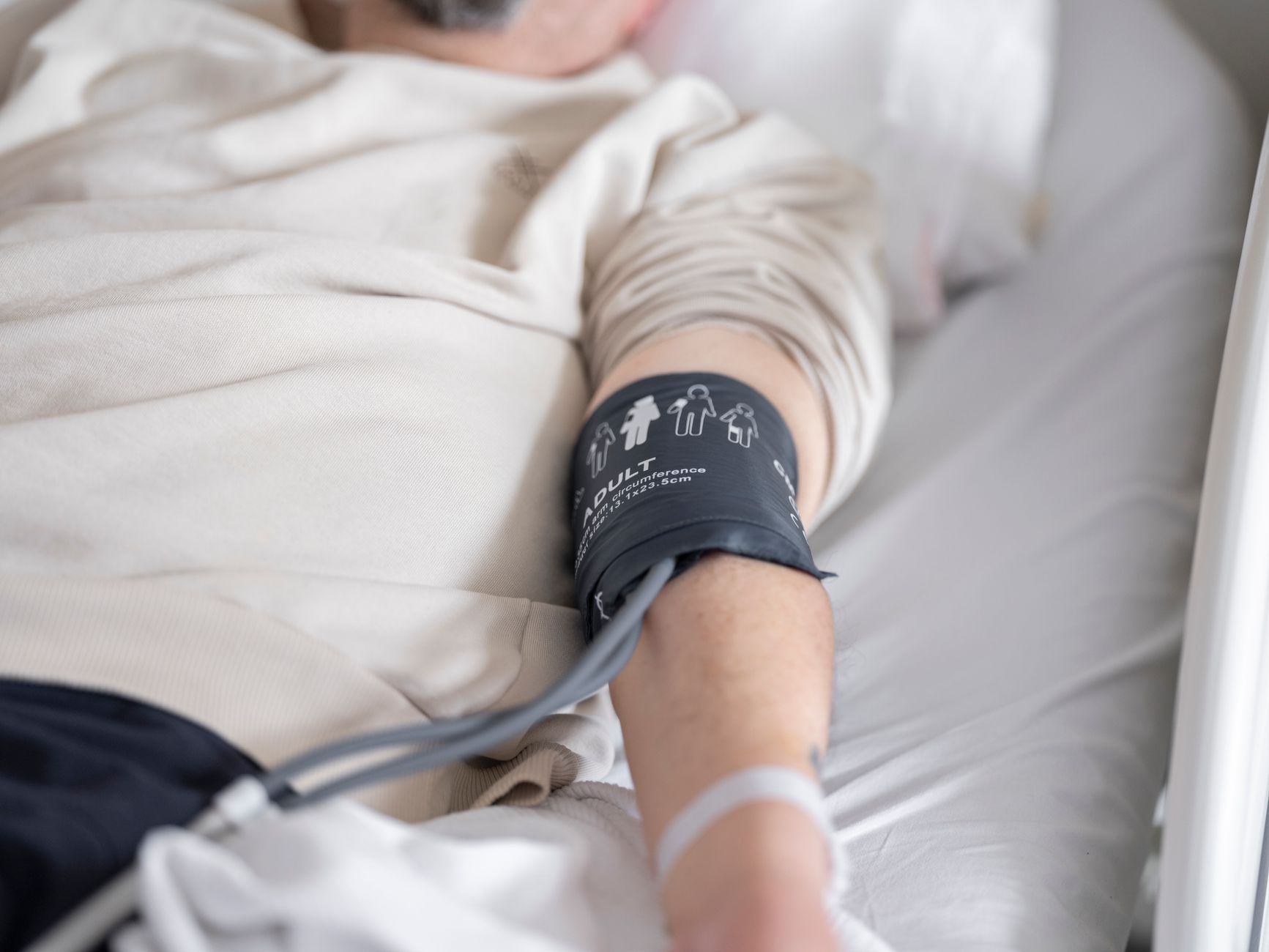
AI people counting cameras, infrared sensors, mmWave sensors, and queue management systems are the four most common technologies, each with its own advantages and disadvantages.
- 3D AI cameras (stereo vision): High accuracy (95-99%), can distinguish between adults and children, unaffected by low light. Suitable for crowded areas like clinics and emergency rooms.
- Infrared sensors: Low cost, easy to install but prone to interference when many people move simultaneously, error rate 10-20%.
- mmWave sensors (60GHz): Accurately detects presence in enclosed rooms, no video recording — suitable for patient rooms and private meeting rooms.
- Queue management systems: Combine display screens showing queue numbers and people counting sensors to direct patients to counters in real time.
Benefits of Patient Flow Analytics for Vietnamese Hospitals

Reducing waiting times by 25-40%, increasing clinic capacity by 15-20%, cutting excess staffing costs by 30%, and improving patient satisfaction scores are benefits documented by pioneering hospitals.
At Tan Phat General Hospital (fictional case study), after deploying AI cameras combined with infrared sensors in the outpatient department, the average waiting time dropped from 55 minutes to 28 minutes. Dwell time data showed that the 8:00-10:00 AM window was peak hours; the hospital added 2 doctors during this period, increasing throughput by 35%. At the same time, the clinic occupancy rate was maintained at 82%, preventing overload.
Summary Table: Comparison of People Counting Technologies for Hospitals
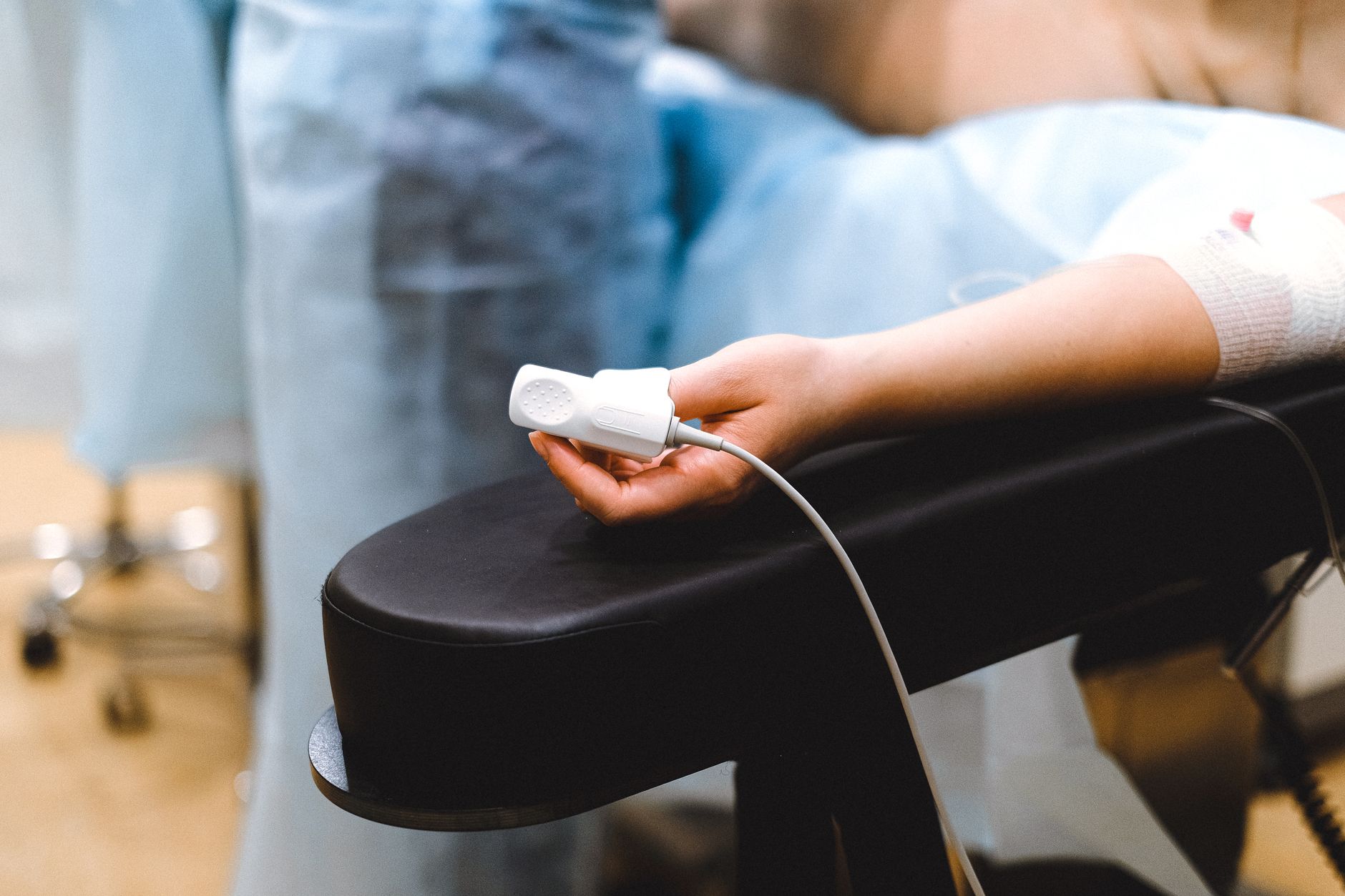
| Technology | Accuracy | Estimated Cost | Suitable For |
|---|---|---|---|
| 3D AI Camera (stereo vision) | 95-99% | High (15-30 million VND/camera) | Crowded areas requiring heatmap analysis |
| Infrared sensor | 80-90% | Low (3-7 million VND/sensor) | Hallways, simple entry/exit points |
| mmWave sensor (60GHz) | 98% (enclosed rooms) | Medium (8-15 million VND/sensor) | Patient rooms, meeting rooms, privacy-sensitive areas |
| Queue management system | Combines multiple sensors | Medium-High (50-200 million VND/system) | Clinics, reception counters, pharmacies |
Common Mistakes When Deploying Patient Flow Analytics
Related articles
Counting bus passengers with AI: Optimize routes, reduce operating costs & increase ticket revenue in 2026
9 min readCounting metro, subway & ferry passengers with AI cameras: Load management and safety 2026
9 min readStart with a free 60-minute site survey
Our senior technical team will visit your site, assess the current setup, and propose a bundle matched to your business model and budget.