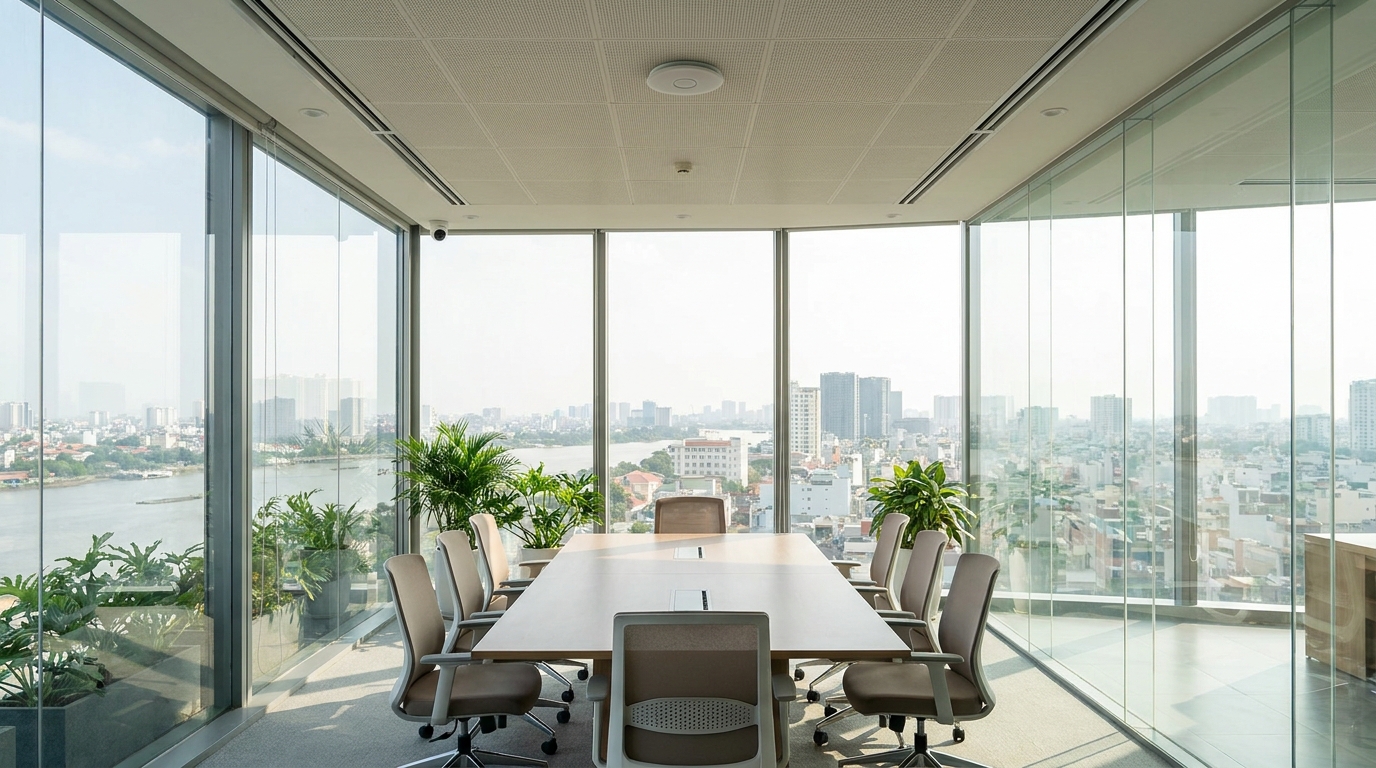
Occupancy sensors and AI people-counting cameras are two popular technologies for optimizing smart meeting rooms, but each has its own strengths and weaknesses regarding accuracy, cost, and security. This article provides a detailed comparison of PIR/infrared/radar occupancy sensors and AI people-counting cameras — helping you choose the right technology for office scales from 3 to 50+ meeting rooms.
What is a meeting room occupancy sensor? Common types of presence sensors
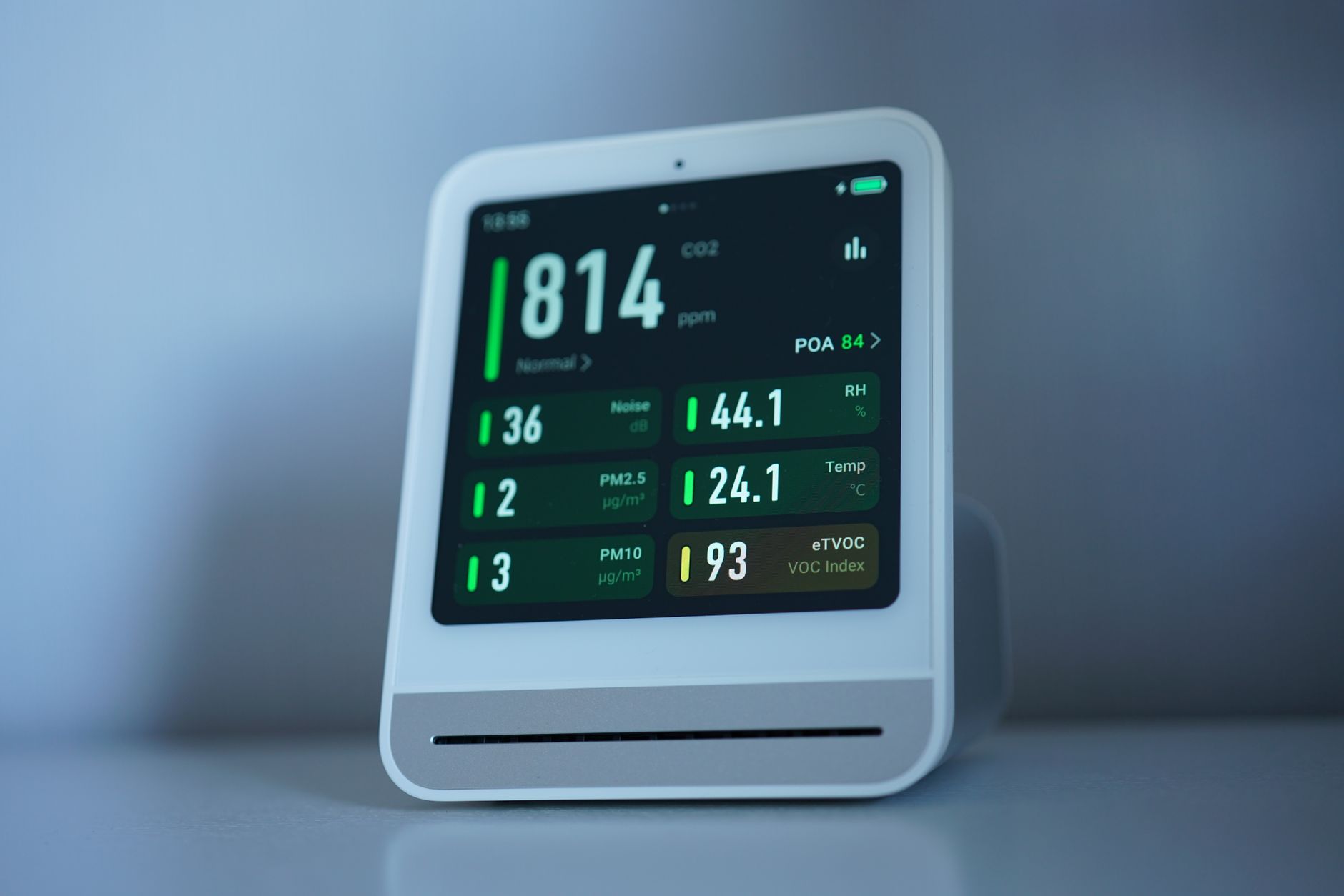
An occupancy sensor is a device that detects the presence of people in a room based on changes in heat (PIR), radar waves (mmWave), or ultrasound. It does not record images, only sends an "occupied/vacant" signal to the booking system.
There are 3 main types of presence sensors on the market:
- PIR (Passive Infrared) Sensor: Detects changes in body temperature. Low cost (15-30 USD/device), easy to install, but prone to interference from air conditioning, sunlight, or people sitting still for long periods.
- mmWave Radar Sensor (60GHz): Detects micro-movements (breathing, hand gestures). Higher accuracy than PIR, can distinguish between people and pets. Price: 40-80 USD/device.
- Ultrasonic Sensor: Emits high-frequency sound waves, measures reflections from objects. Works well in enclosed rooms but is sensitive to curtains and movable partitions.
Suitable for: small offices (3-10 rooms), limited budgets, prioritizing absolute security (no image recording).
How do AI people-counting cameras work for smart meeting rooms?
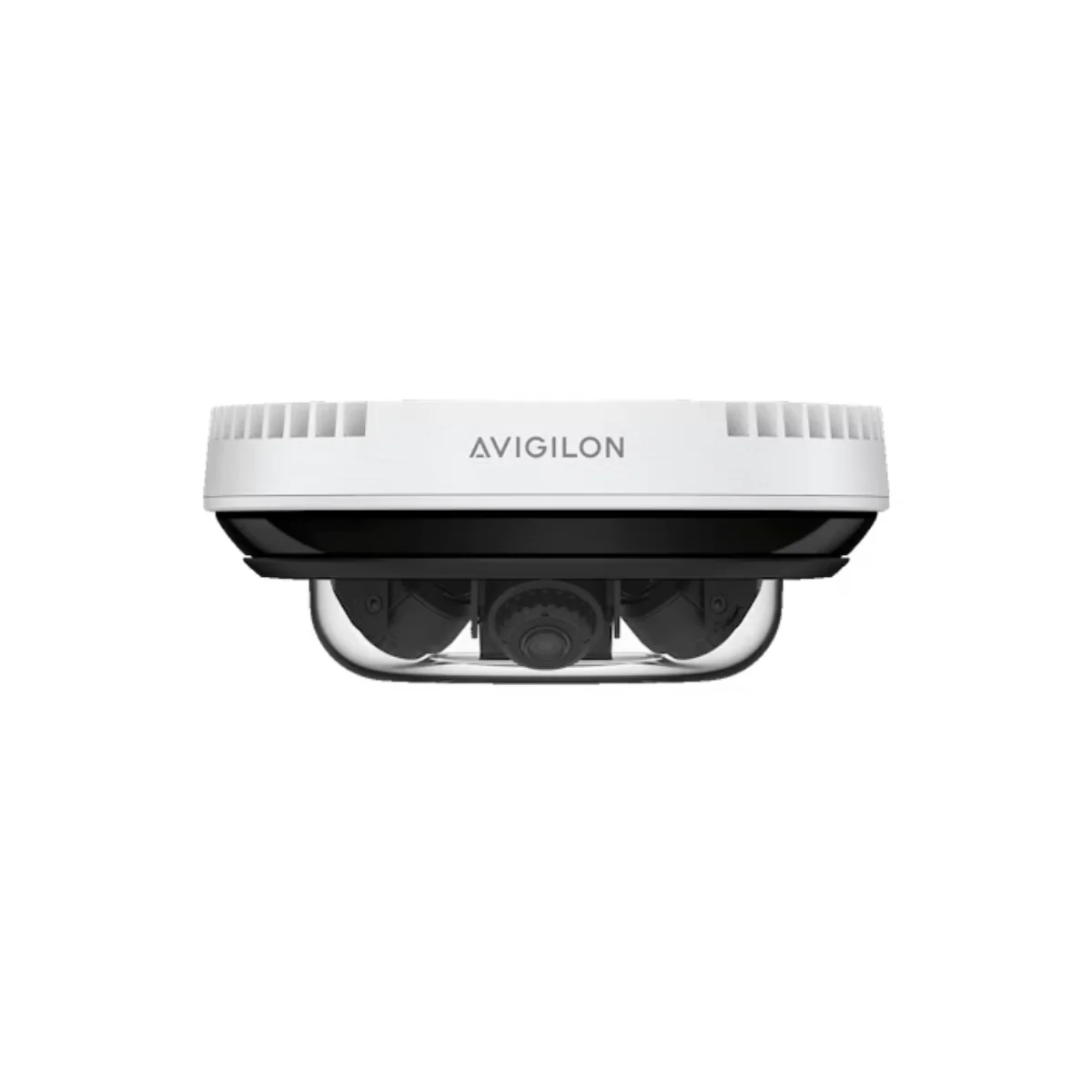
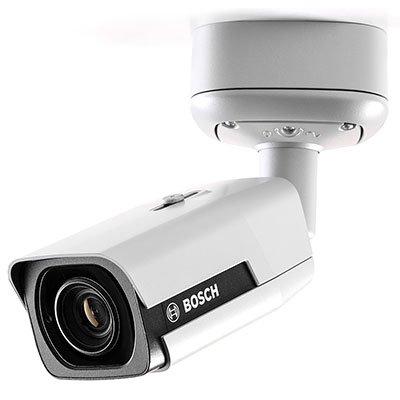
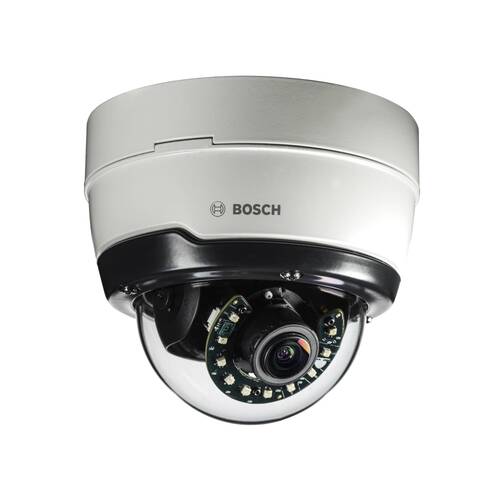
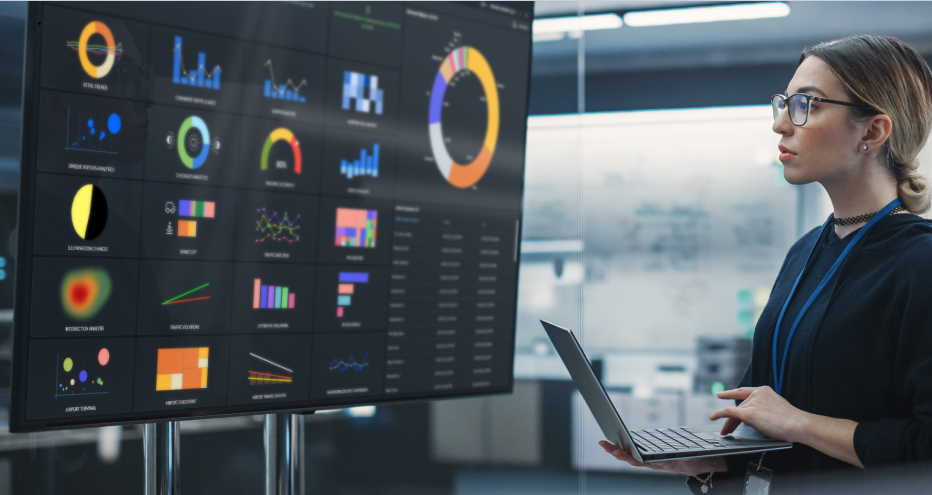
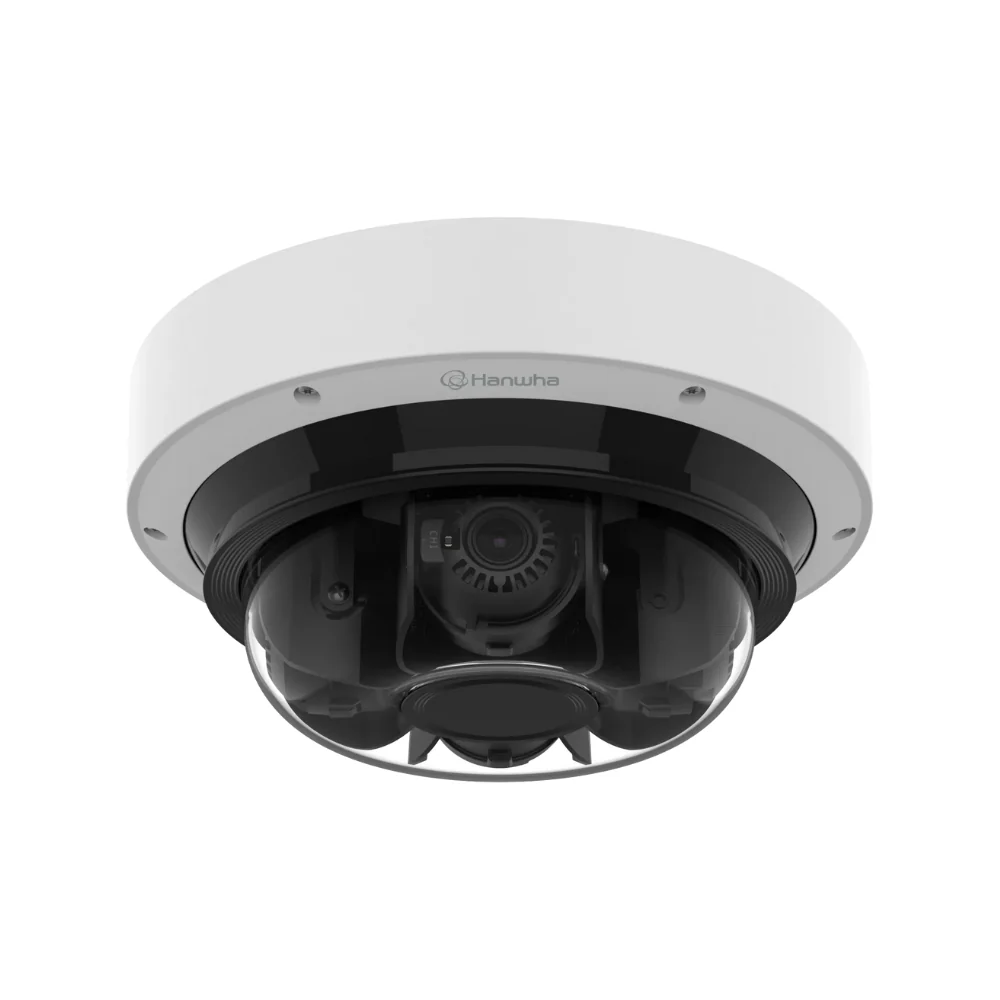
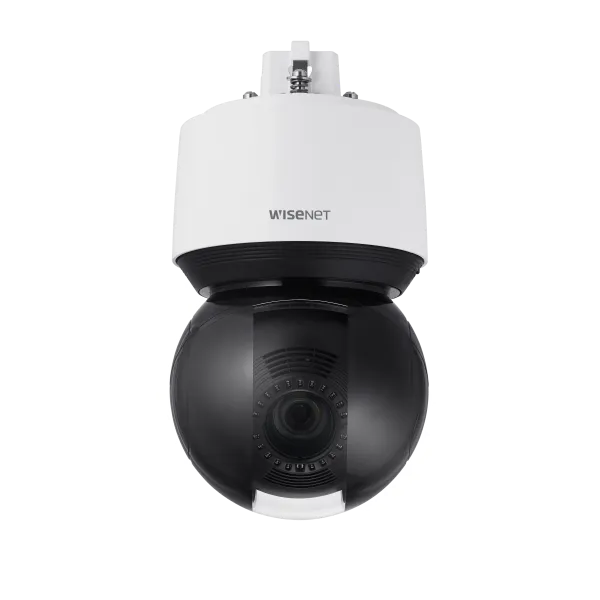
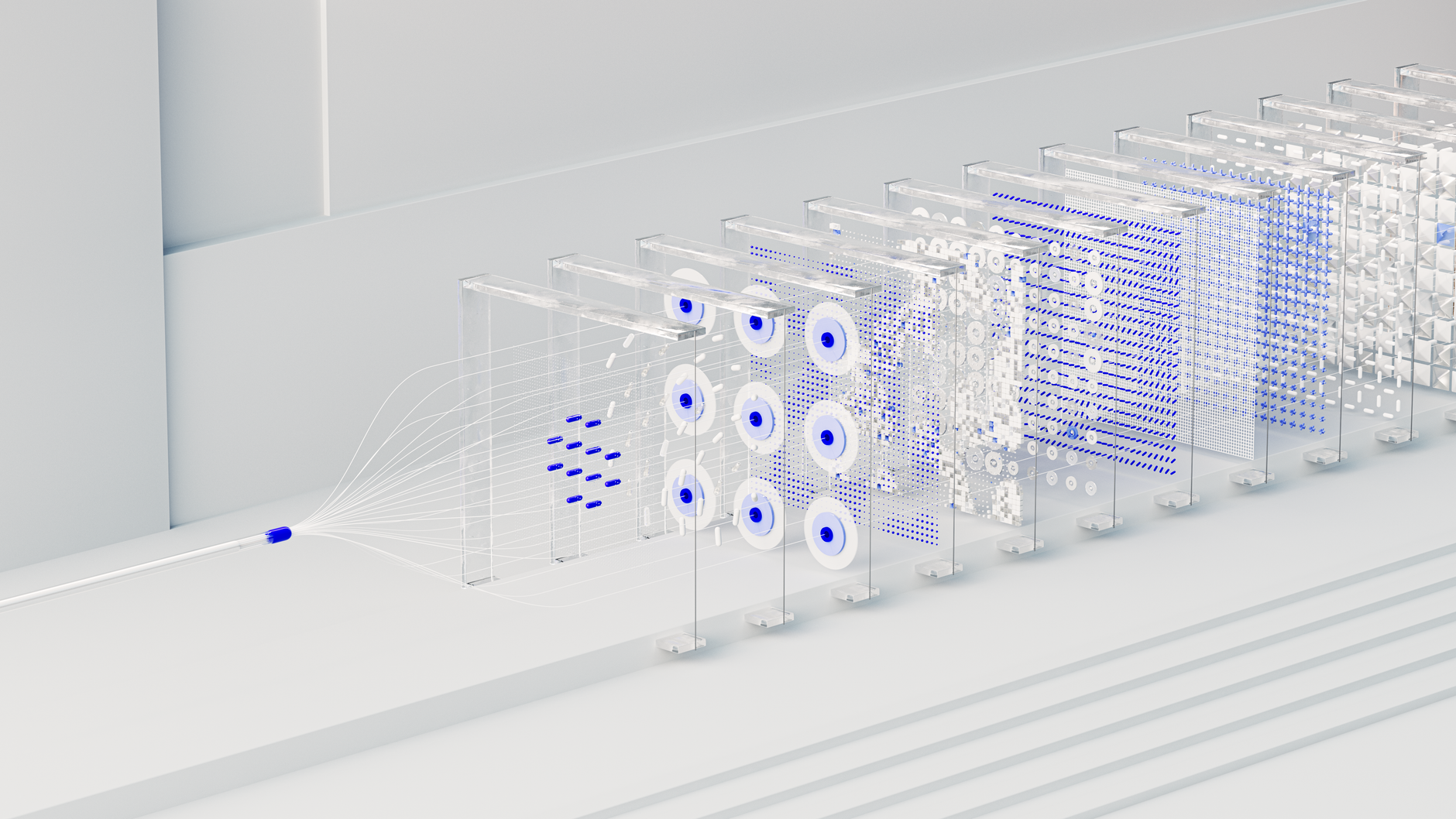
AI people-counting cameras use computer vision and deep learning algorithms to recognize and count the number of people in a room in real time. They can analyze entry/exit flows, dwell time, and room usage heatmaps.
AI cameras typically feature on-board processing (edge computing), so no separate server is required. High-end models like Xovis PC3 or stereo vision cameras achieve 97-99% accuracy under standard office lighting conditions.
Scalability: one AI camera can monitor 1-2 meeting rooms (wide angle 120°-180°), or multiple cameras can be combined for an entire office floor. They integrate via API with booking systems (Google Calendar, Outlook, Microsoft Teams Rooms) to automatically release rooms when vacant.
Suitable for: businesses with 10-50+ meeting rooms, requiring analytics data (usage frequency, peak hours), willing to invest 200-500 USD/camera (excluding installation).
Detailed comparison: occupancy sensor vs AI people-counting camera
Comparison table of 5 main criteria between presence sensors and AI people-counting cameras: accuracy, cost, security, integration, and scalability. "Best" is highlighted for each criterion.
| Criterion | PIR Sensor | mmWave Radar Sensor | AI People-Counting Camera |
|---|---|---|---|
| People counting accuracy | Cannot count (only detects occupied/vacant) | ~70-85% (distinguishes 1-2 people, difficult with crowds) | Best: 95-99% (counts each person accurately) |
| Equipment cost (per room) | Best: 15-30 USD | 40-80 USD | 200-500 USD |
| Security & privacy | Best: No image recording, no personal data storage Ready to deploy in 7–14 days Start with a free 60-minute site surveyOur senior technical team will visit your site, assess the current setup, and propose a bundle matched to your business model and budget. |