
Timely fall detection is a critical factor in elderly care. Two popular solutions today are AI cameras for space monitoring and personal wearable sensors. This article compares AI cameras and wearable fall detection sensors — you will choose the right solution after reading 5 detailed evaluation criteria.
What is an AI fall detection camera?

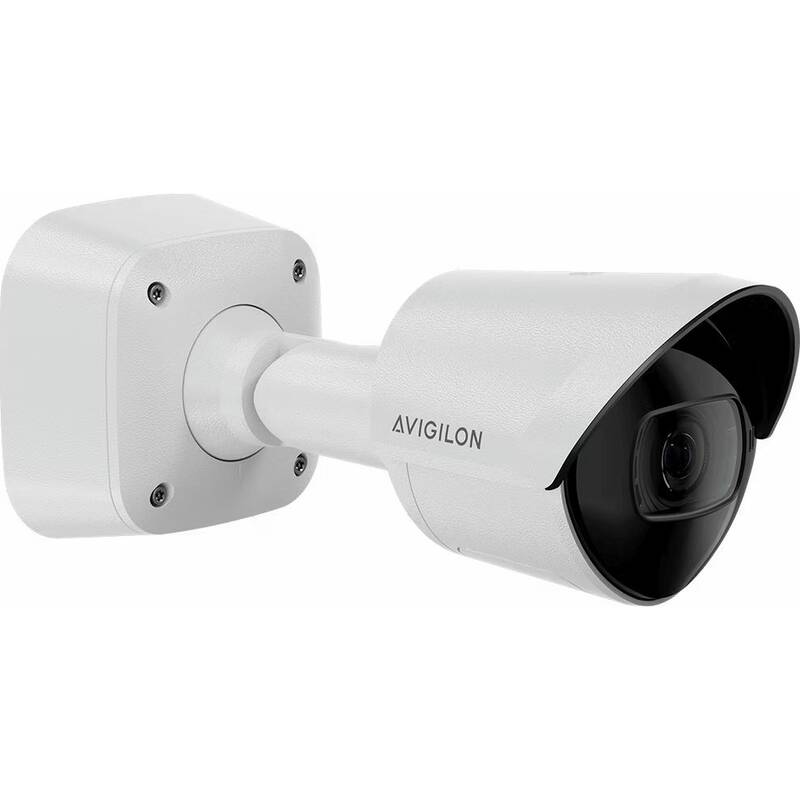
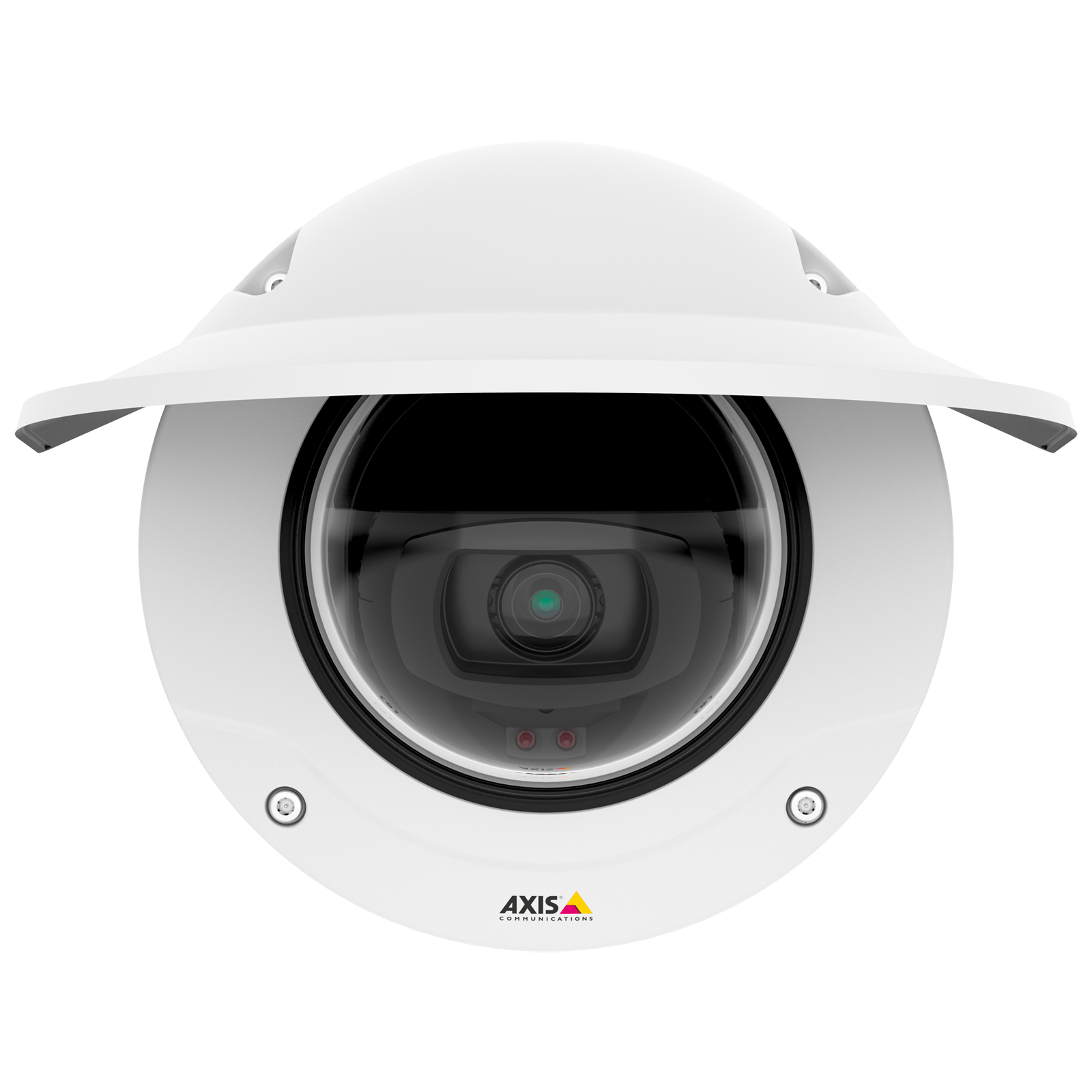
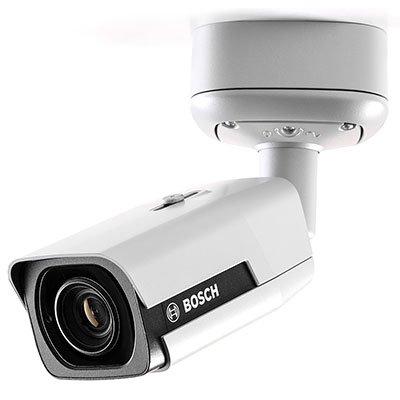
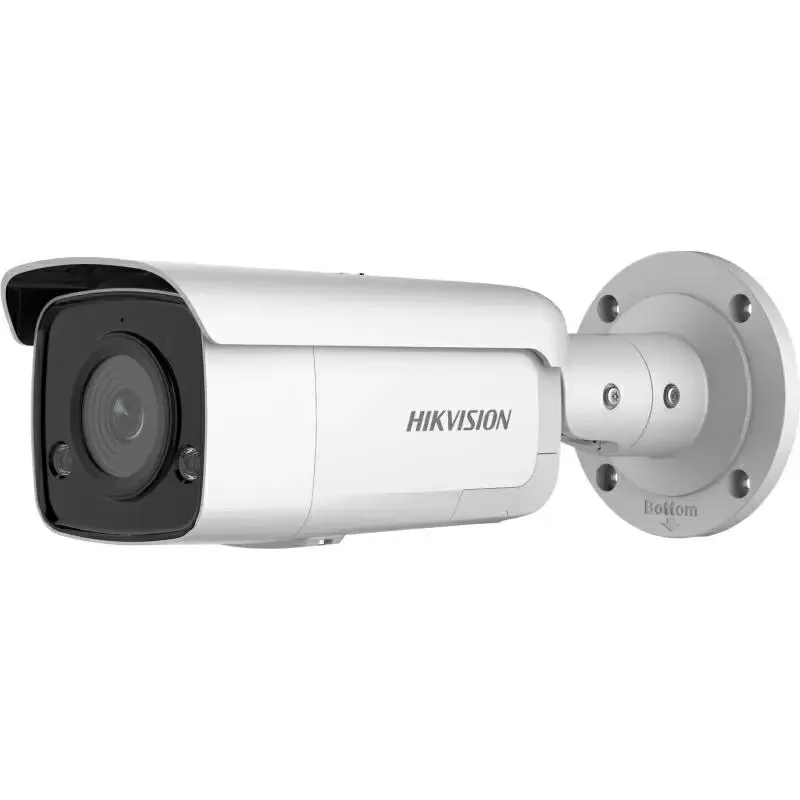
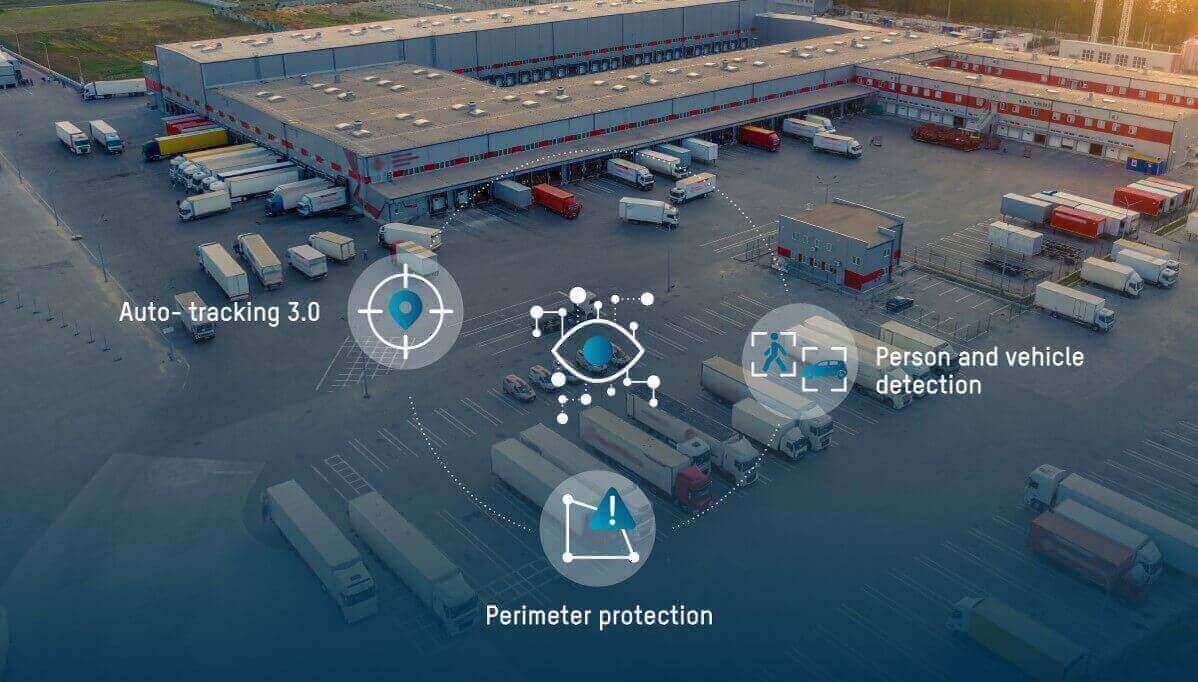
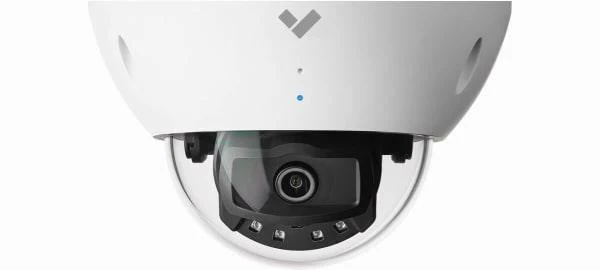
An AI fall detection camera uses computer vision and deep learning to recognize human posture in real-time. When it detects a person suddenly transitioning from standing/sitting to a lying position on the floor, the system automatically sends an alert to on-duty staff. This solution does not require the elderly to wear any device.
AI cameras operate based on skeleton tracking algorithms and motion anomaly detection. Camera lines such as Hikvision AcuSense or Dahua WizMind have built-in AI chips, allowing on-device processing without a central server. One camera can monitor an area of 25-40 m², suitable for common living rooms, hallways, or dining areas in nursing homes.
In terms of accuracy, real-world tests show AI cameras achieve a successful fall detection rate of 96-98% under adequate lighting conditions. However, performance drops slightly (88-92%) in low light or when obstacles obstruct the view. The initial investment cost for a 4-camera system is approximately 25-40 million VND, including NVR and network cables, excluding installation.
What is a wearable fall detection sensor?
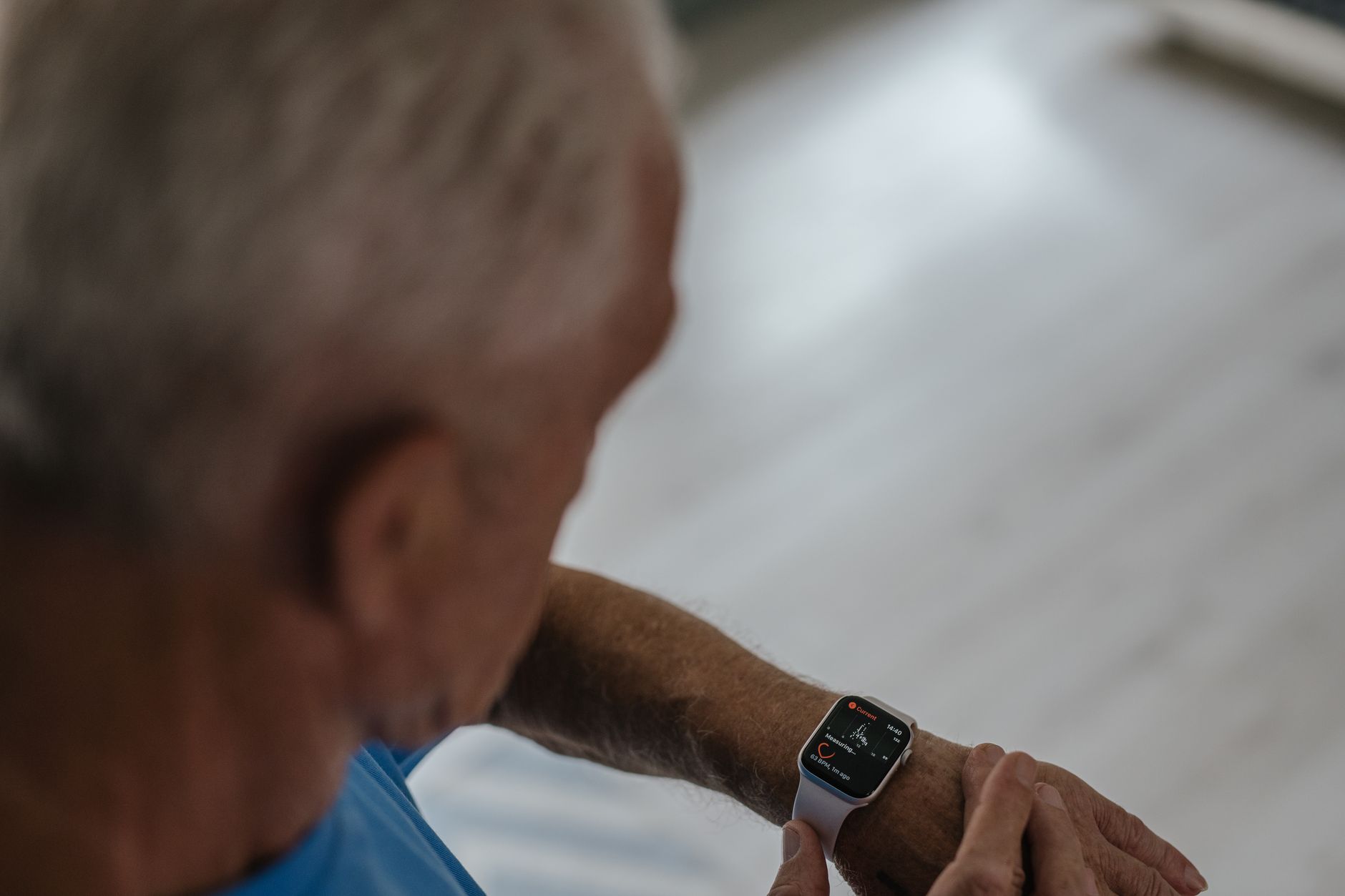
A wearable fall detection sensor is a device worn on the wrist or belt, integrating an accelerometer and gyroscope to recognize impact and sudden posture changes. When a fall is detected, the device automatically triggers an alert via cellular or Wi-Fi to family members or a care center.
Popular devices today include the Apple Watch Series 9 or Samsung Galaxy Watch 6 with built-in fall detection, or specialized devices like Philips Lifeline or MGMove. Average battery life is 24-72 hours depending on the model, requiring periodic charging. The initial investment cost is low, from 3-8 million VND per device, with no complex installation required.
The accuracy of wearable sensors ranges from 80-88% in clinical trials. The main causes of errors are users not wearing the device (forgetting, discomfort, bathing) or the device failing to distinguish real falls from forceful actions like clapping or sitting down quickly. The false alarm rate is approximately 15-25%, causing nuisance for family members and medical staff.
Detailed comparison of AI cameras and wearable sensors
The comparison table below contrasts 5 main criteria between the two solutions: accuracy, investment cost, maintenance, device wearing compliance, and scalability. Based on data from 2024-2025 studies and real-world deployments in Vietnam.
| Criterion | AI Camera | Wearable Sensor |
|---|---|---|
| Fall detection accuracy | 96-98% (good lighting) 88-92% (low light) | 80-88% (when worn correctly) Drops significantly if not worn |
| Initial investment cost | 25-40 million VND (4-camera system) | Best: 3-8 million VND/device |
| Annual maintenance | 3-5 million VND (lens cleaning, firmware) | 1-2 million VND (battery replacement, charging) |
| Device wearing compliance | Best: Not required | 60-75% of elderly wear it regularly |
| Scalability | Easy: add cameras, integrate NVR | Limited Ready to deploy in 7–14 days Start with a free 60-minute site surveyOur senior technical team will visit your site, assess the current setup, and propose a bundle matched to your business model and budget. |