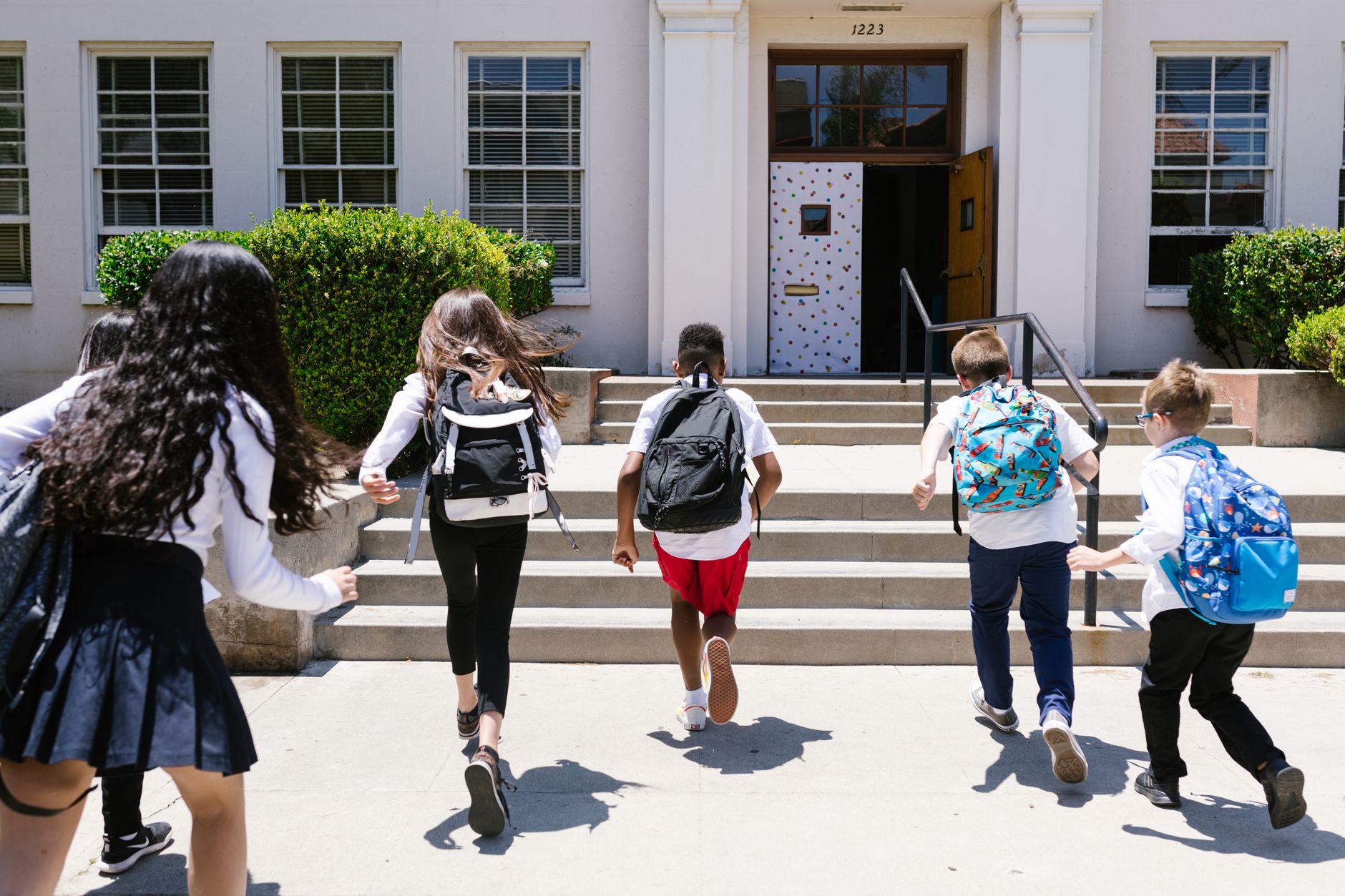
AI cameras for counting students and infrared sensors are two popular technologies in attendance management, automatic roll call, and school safety. This article compares AI cameras for counting students vs. infrared sensors based on 7 criteria: accuracy, cost, integration capability, security, environmental conditions, deployment complexity, and ROI — helping schools choose the right solution.
What is an AI camera for counting students?
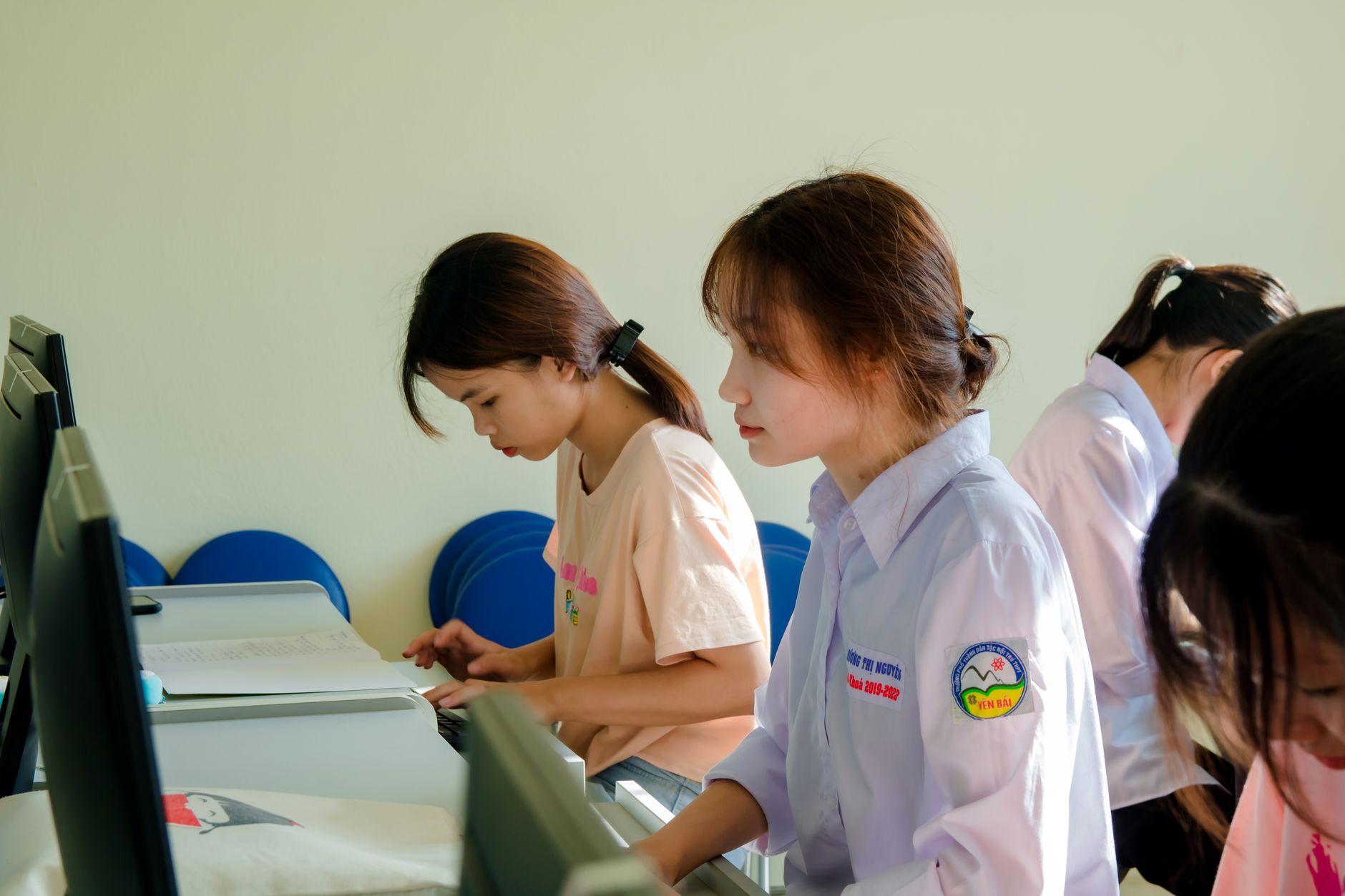
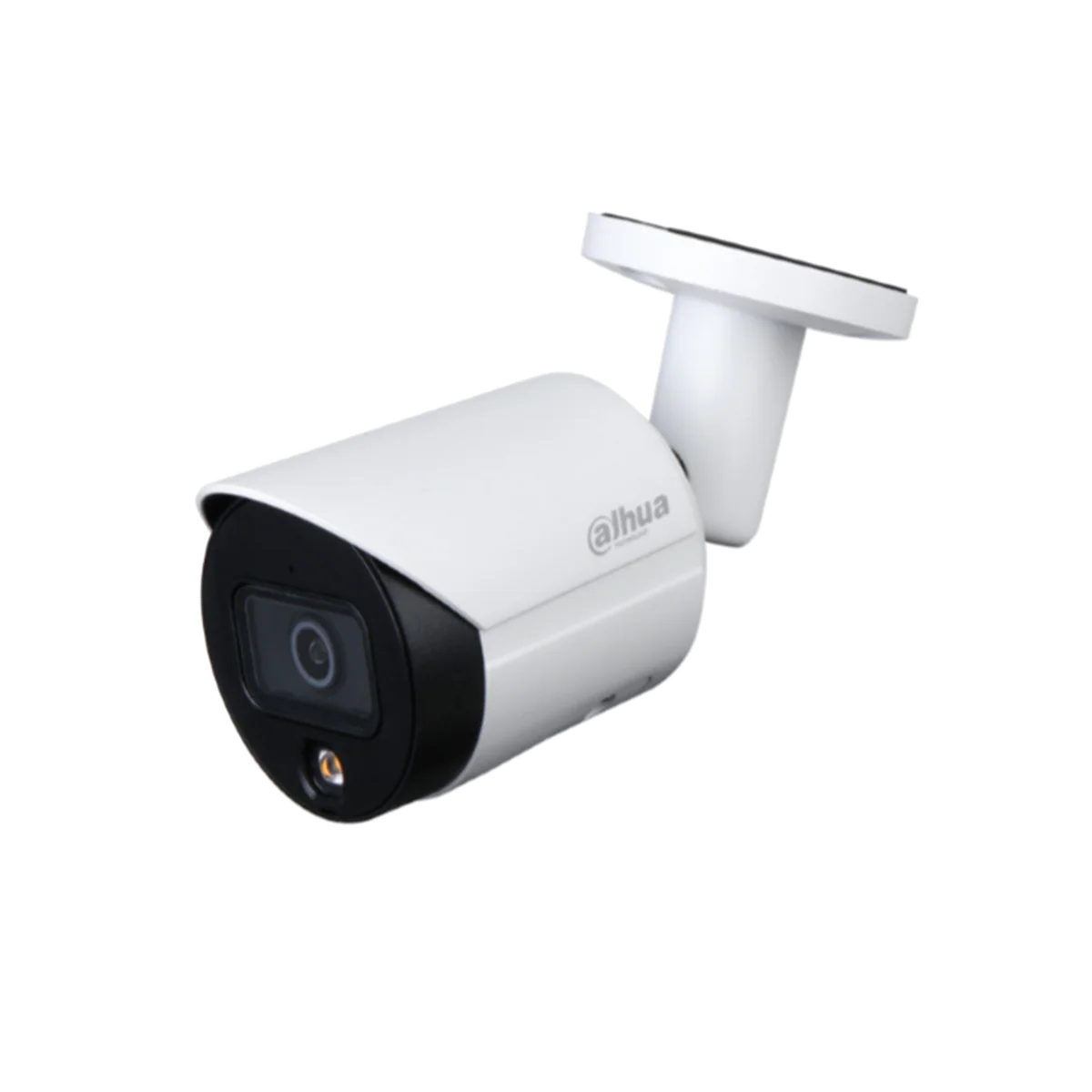
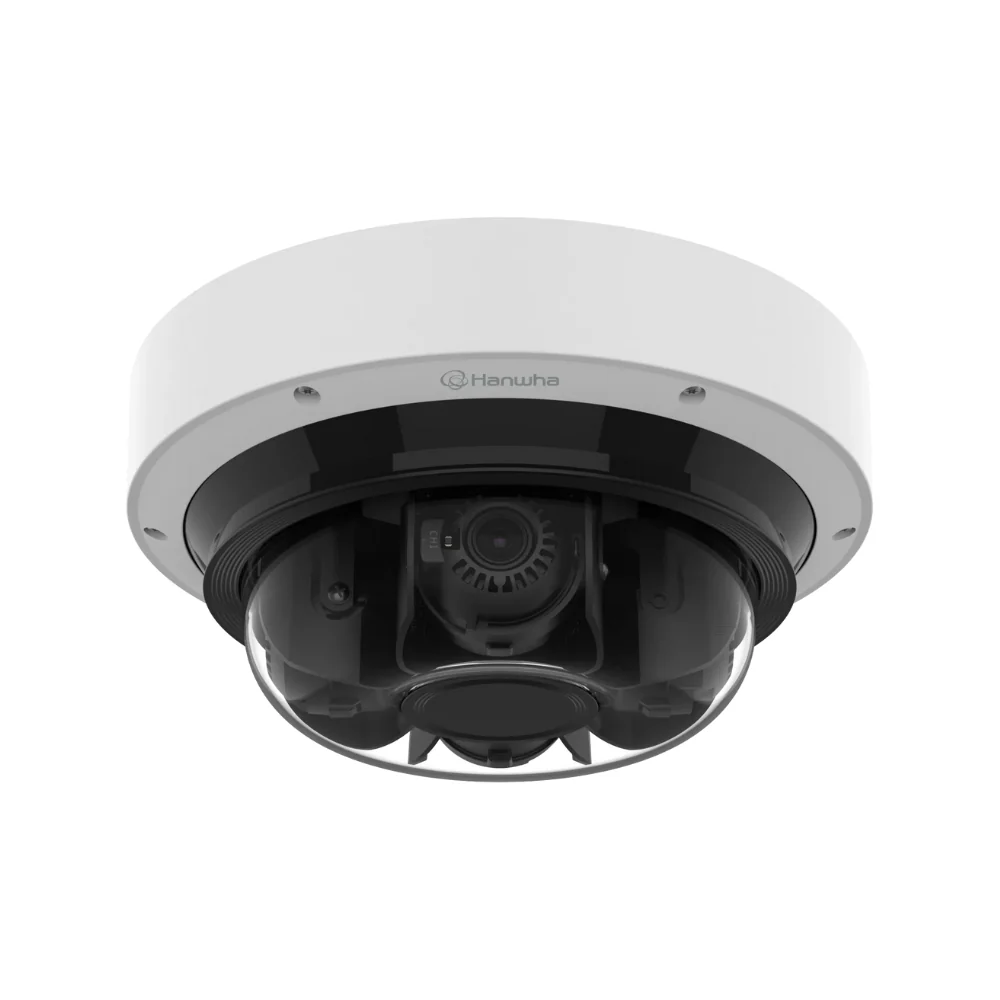
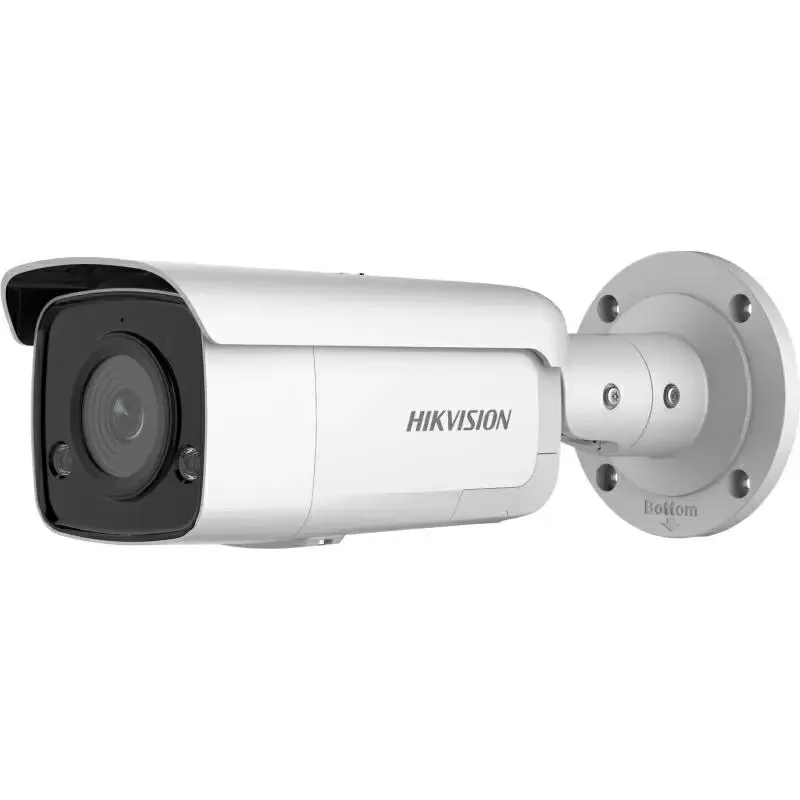
An AI camera for counting students is a camera system integrated with computer vision and deep learning algorithms, which automatically detects, counts, and identifies students in real time. Unlike regular cameras, this device can analyze movement flows, count accurately in crowds, and integrate with attendance software.
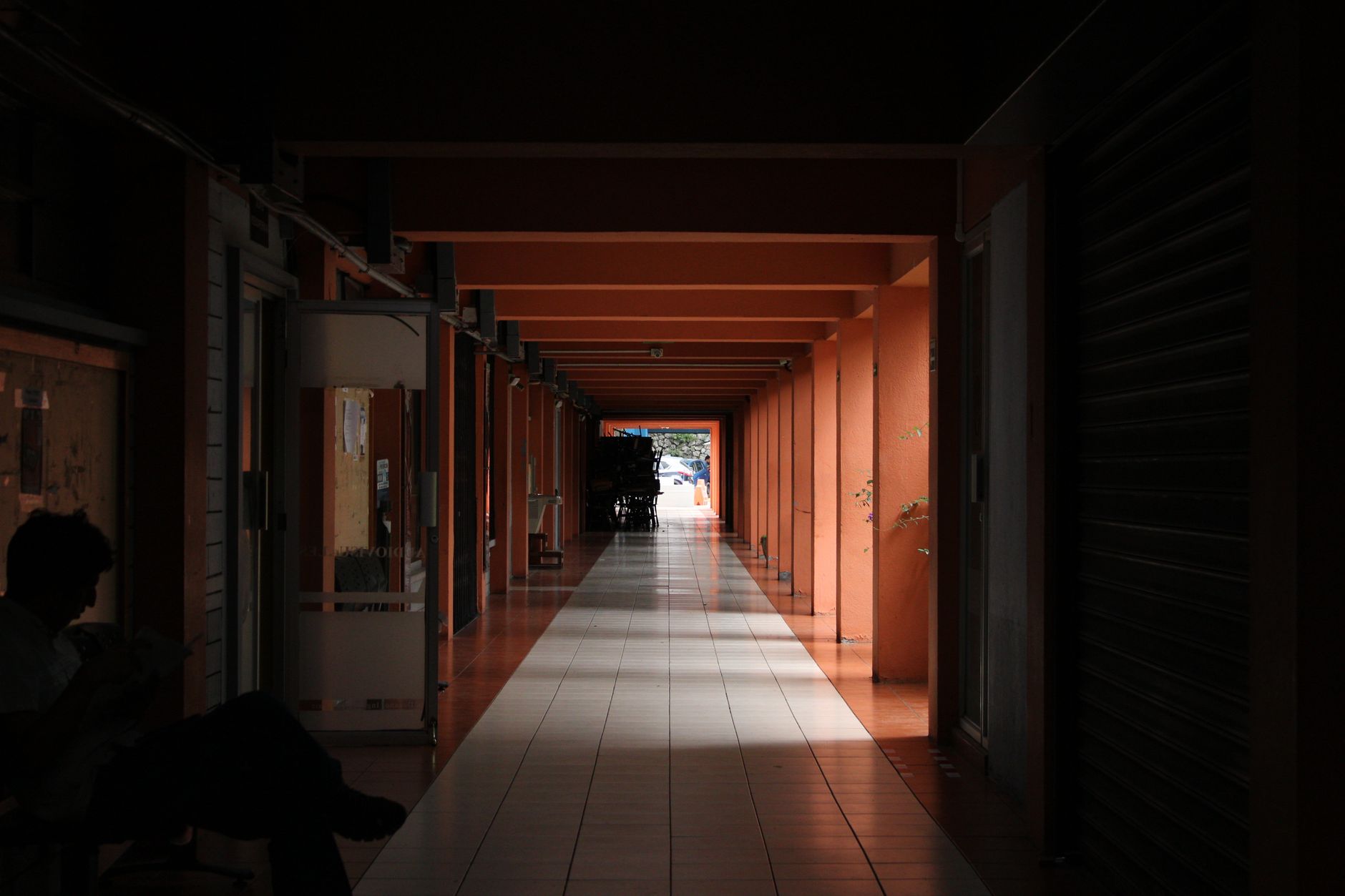
AI cameras use AI models trained on millions of frames, allowing them to recognize human subjects even when partially obscured or in low-light conditions. In schools, the device is typically installed at entrances, hallways, libraries, and canteens to measure actual class sizes, detect absent students, or alert about large gatherings. Products from Hikvision AcuSense AI cameras or Dahua WizMind can achieve 95-99% accuracy under standard conditions.
What is an infrared people counter sensor?
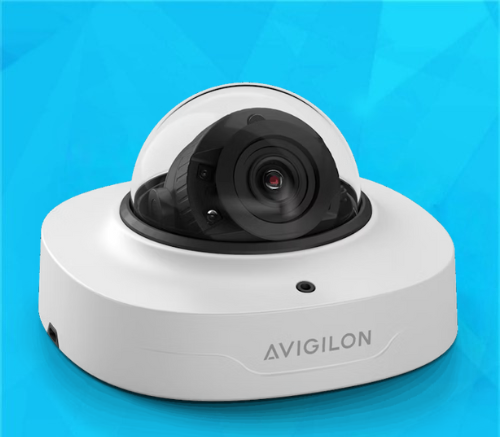
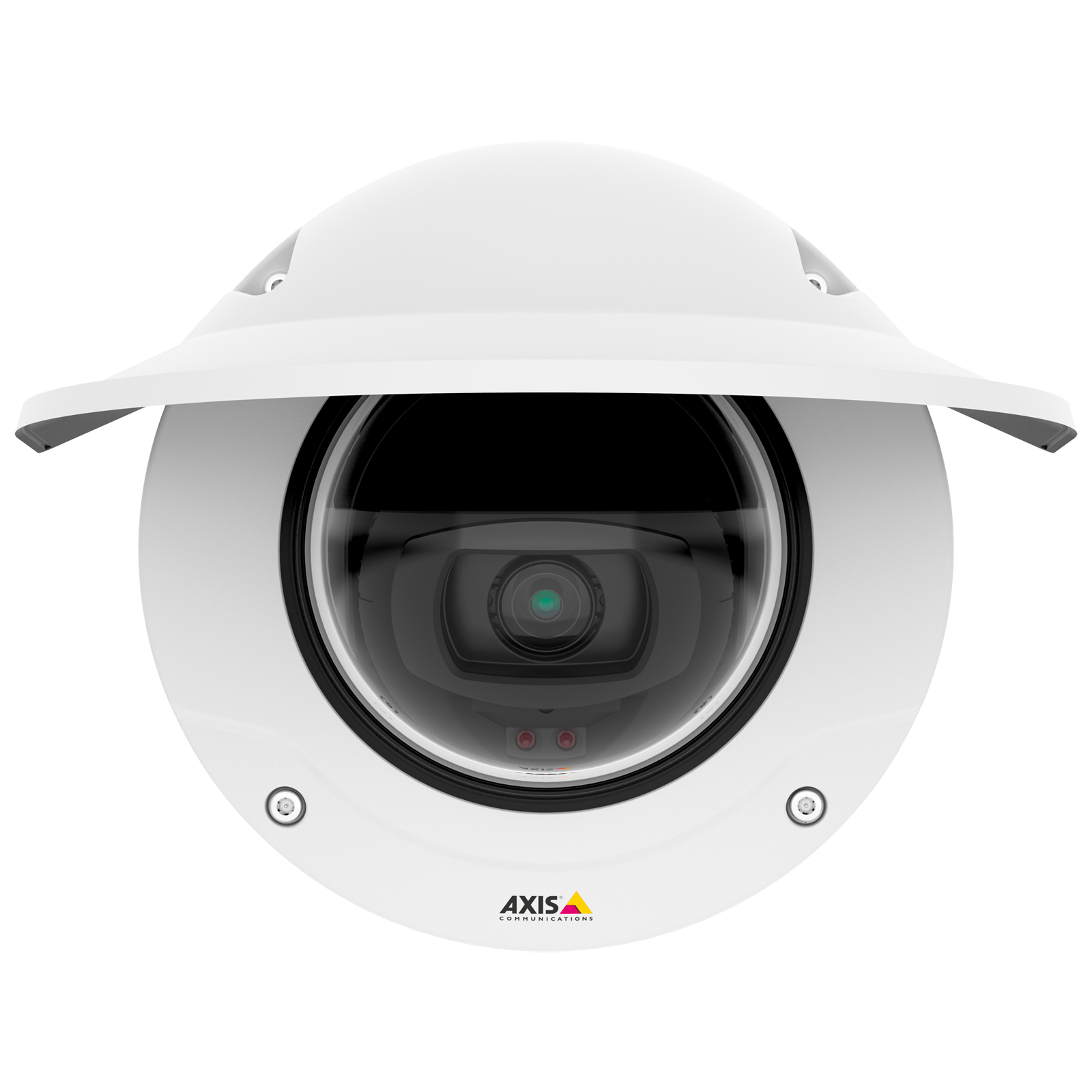
An infrared sensor (IR beam sensor) works by shooting an infrared beam across a passageway. Each time the beam is interrupted — when a person passes through — the counter increases by one unit. This technology is simple and low-cost but prone to errors when many people pass through simultaneously.
Infrared sensors are typically installed at narrow doorways (under 2m) to count one-way traffic. In a school environment, this device is suitable for simple checkpoints like library doors or small classrooms. However, when students move in groups, wear backpacks, or carry carts, the error rate can reach 20-30%. This solution is often combined with Sensormatic gates or barriers to increase accuracy.
Detailed comparison of AI cameras and infrared sensors for counting students

The table below compares 7 important criteria between AI cameras and infrared sensors in student counting applications at schools, helping schools get an overview before investing.
| Criterion | AI Camera | Infrared Sensor |
|---|---|---|
| Accuracy | 95-99% (Best) | 70-85% |
| Investment cost (1 point) | 15-40 million VND | 5-12 million VND |
| Operating cost/month | 200-500 thousand (electricity + maintenance) | 50-100 thousand |
| Facial recognition capability | Yes (AI integrated) | No |
| Automatic attendance integration | Yes (API with management software) | Limited (count only) |
| Environmental impact | Low (works well in darkness) | High (strong light, rain, dust) |
| Data security | High (encryption, compliant with Decree 13) | Low (no image storage) |
Advantages and disadvantages of each solution
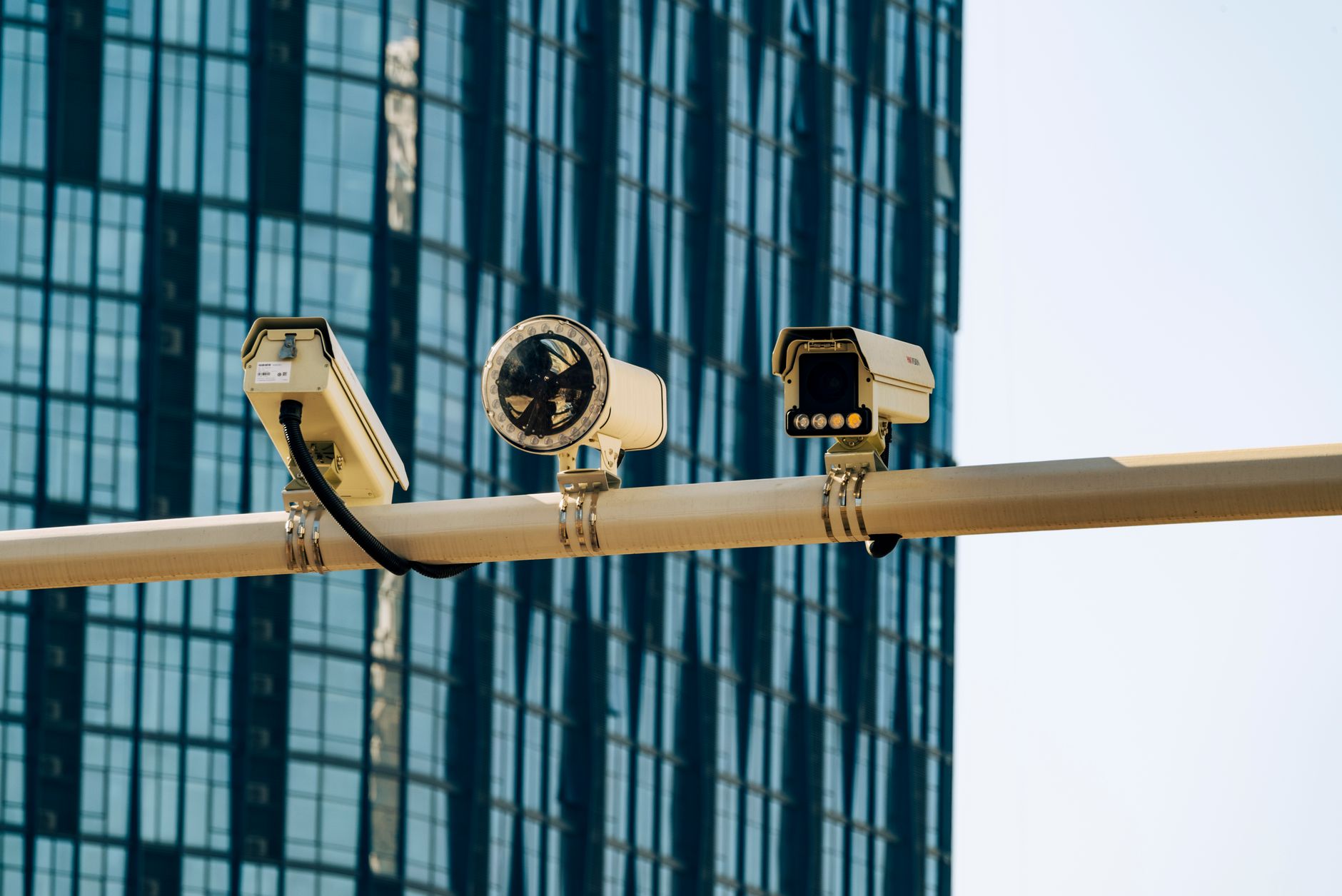
AI camera for counting students
Advantages: High accuracy, facial recognition, automatic attendance integration, stable operation in all lighting conditions, can be expanded into a comprehensive security system.
Disadvantages: Higher initial investment cost, requires stable network infrastructure, needs periodic AI software updates, may raise privacy concerns if not configured correctly.
Infrared sensor
Related articles
Counting bus passengers with AI: Optimize routes, reduce operating costs & increase ticket revenue in 2026
9 min readCounting metro, subway & ferry passengers with AI cameras: Load management and safety 2026
9 min readStart with a free 60-minute site survey
Our senior technical team will visit your site, assess the current setup, and propose a bundle matched to your business model and budget.