
AI people counting cameras and infrared sensors are two popular solutions for cafeteria queue management, but each is suited to different operational contexts. This article provides a detailed comparison of technology, accuracy, cost, and integration capabilities — helping Vietnamese business owners choose the right solution for their cafeteria, restaurant, or school canteen.
What is an AI people counting camera?
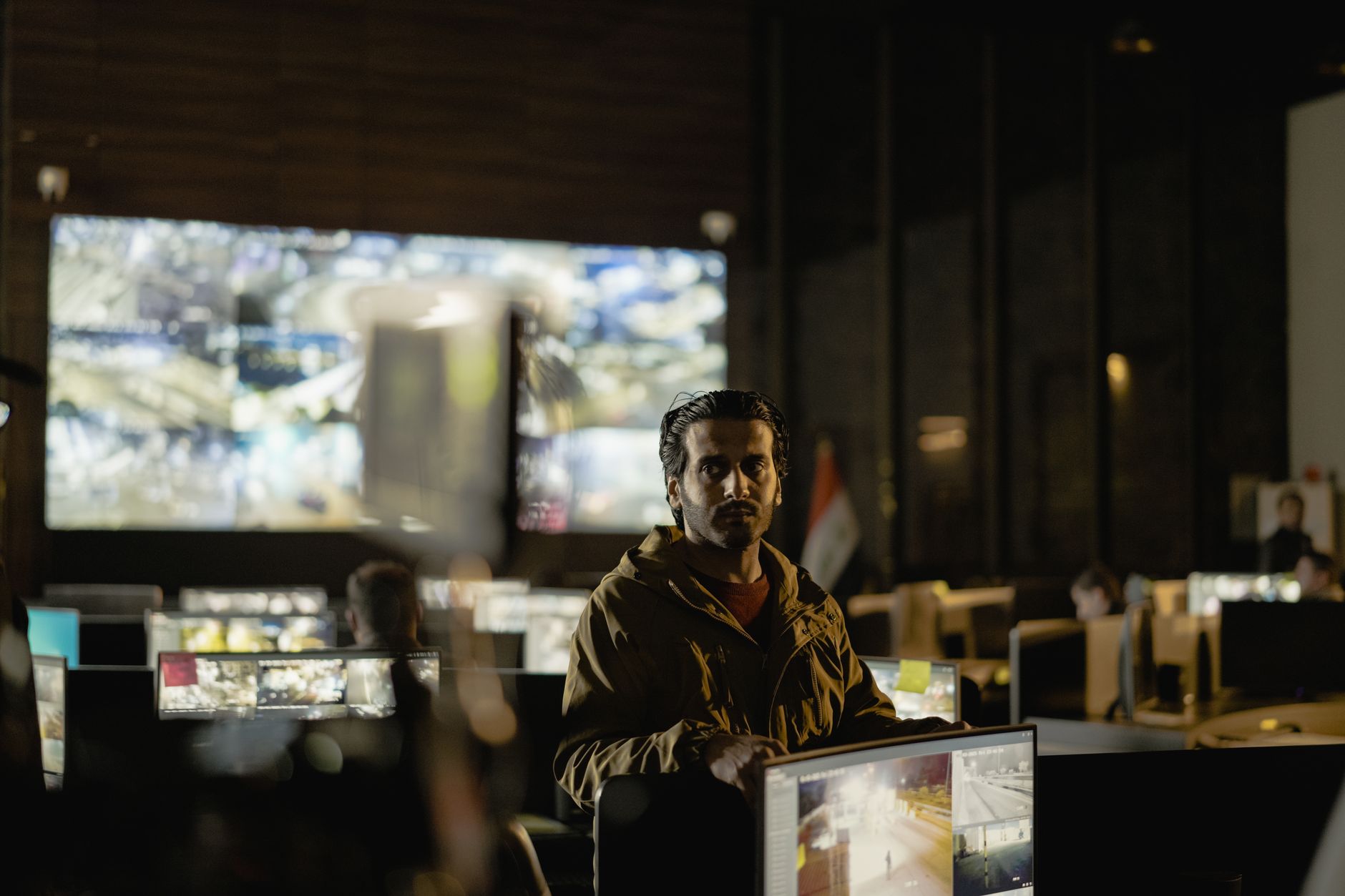
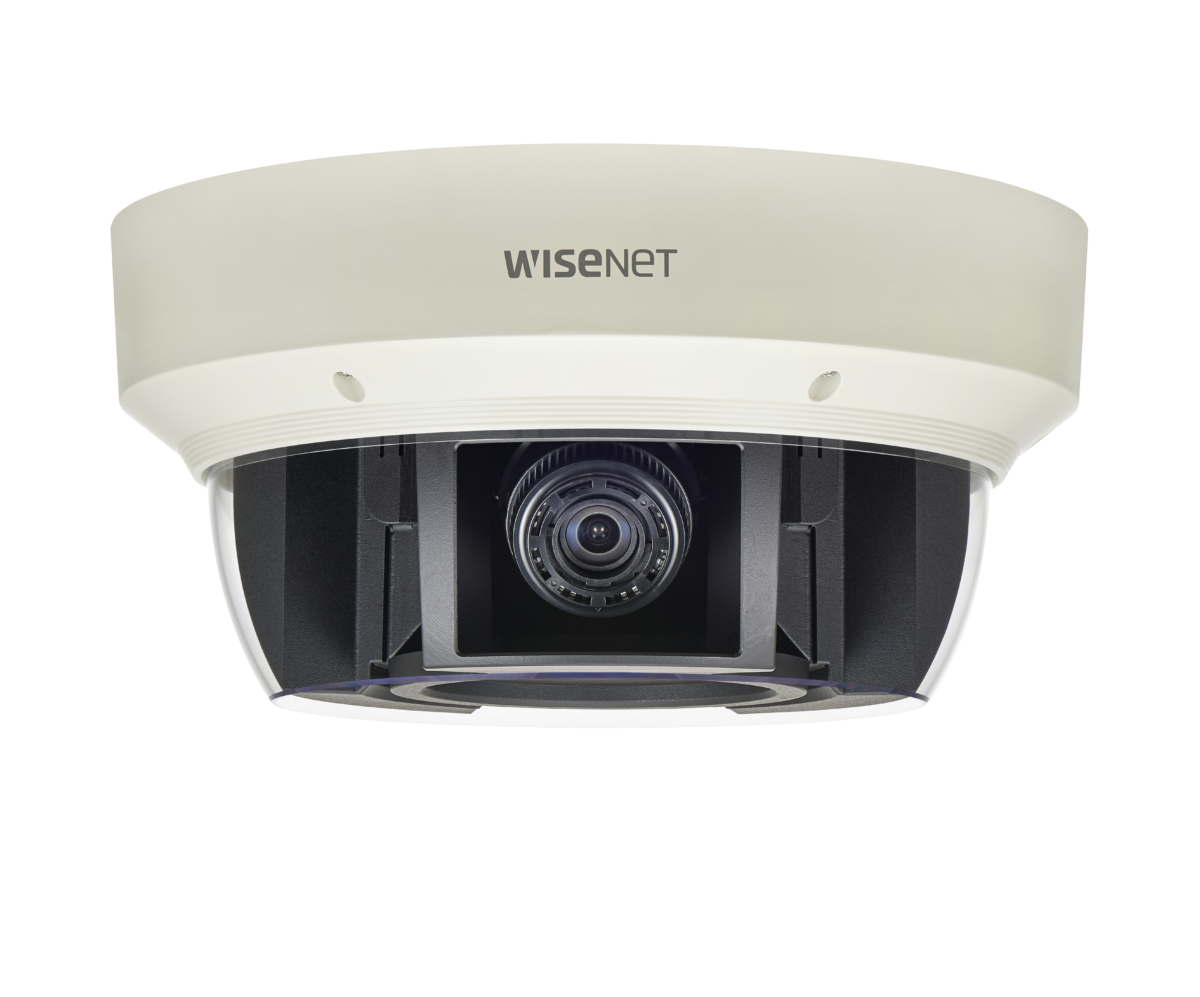
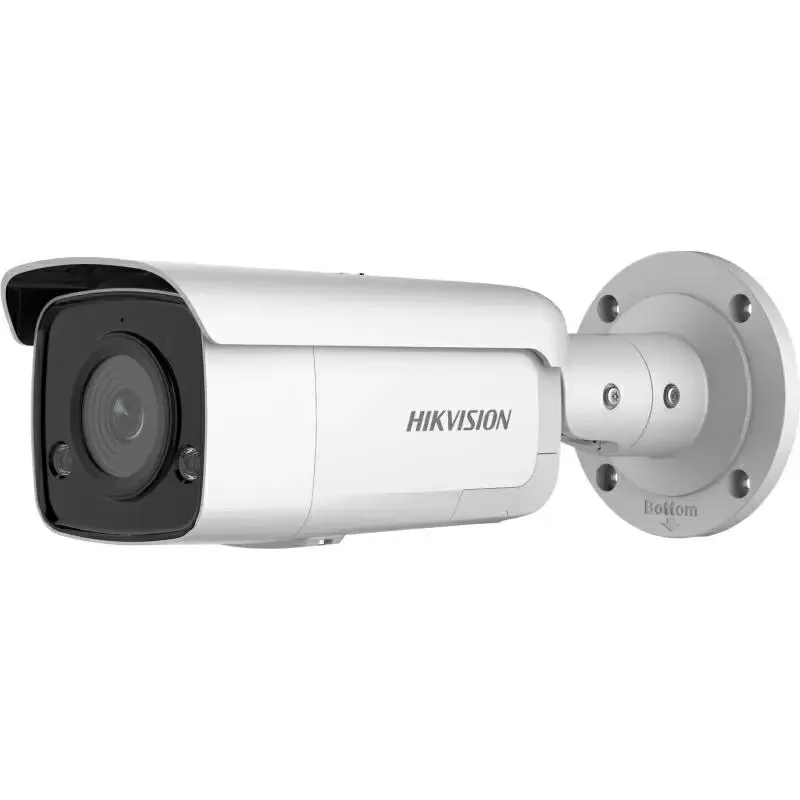
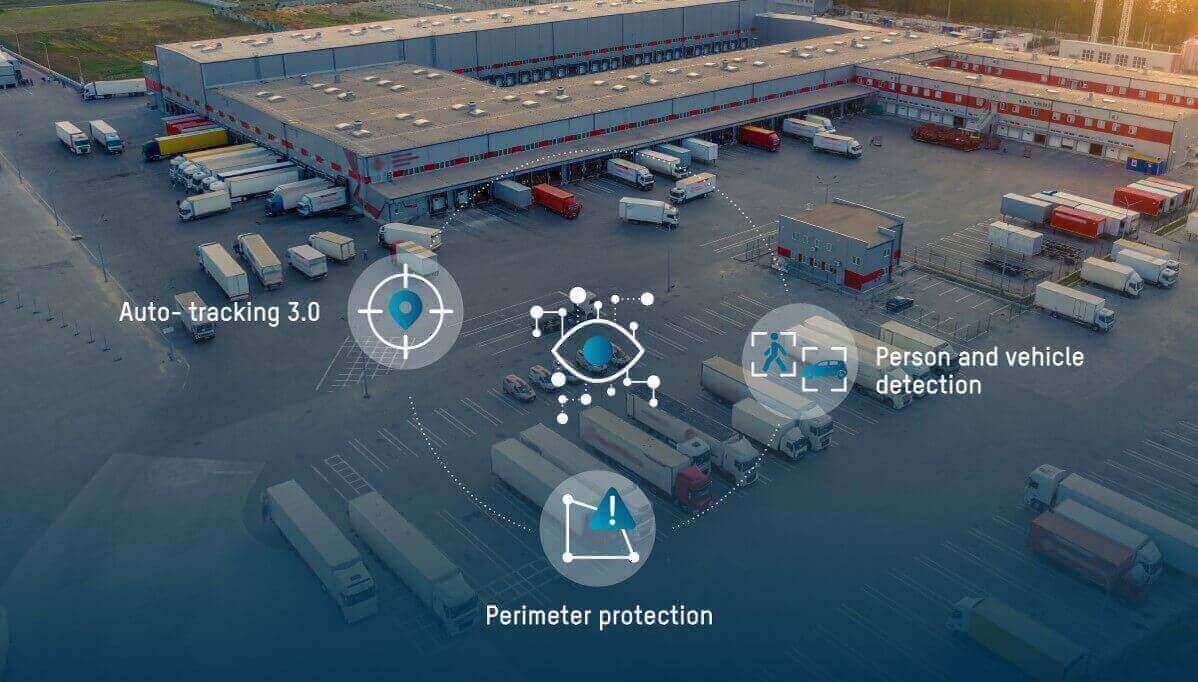
An AI people counting camera is a device integrating computer vision and deep learning, automatically detecting and counting the number of people entering/exiting in real time. Unlike regular cameras, it analyzes video frames to distinguish people from objects, counting accurately even when many people pass through simultaneously.
AI cameras use object detection algorithms to track each person through the doorway. Each time a person passes, the system records and updates the count. This data is synced to a dashboard, allowing managers to monitor occupancy by hour, shift, or day. In Vietnam, this solution is being deployed in large corporate cafeteria chains (100-500 meals/hour) and buffet restaurants to optimize service staff.
See more: Price list for AI people counting cameras for industrial park factories 2026: Cost & ROI.
What is an infrared sensor for queue management?
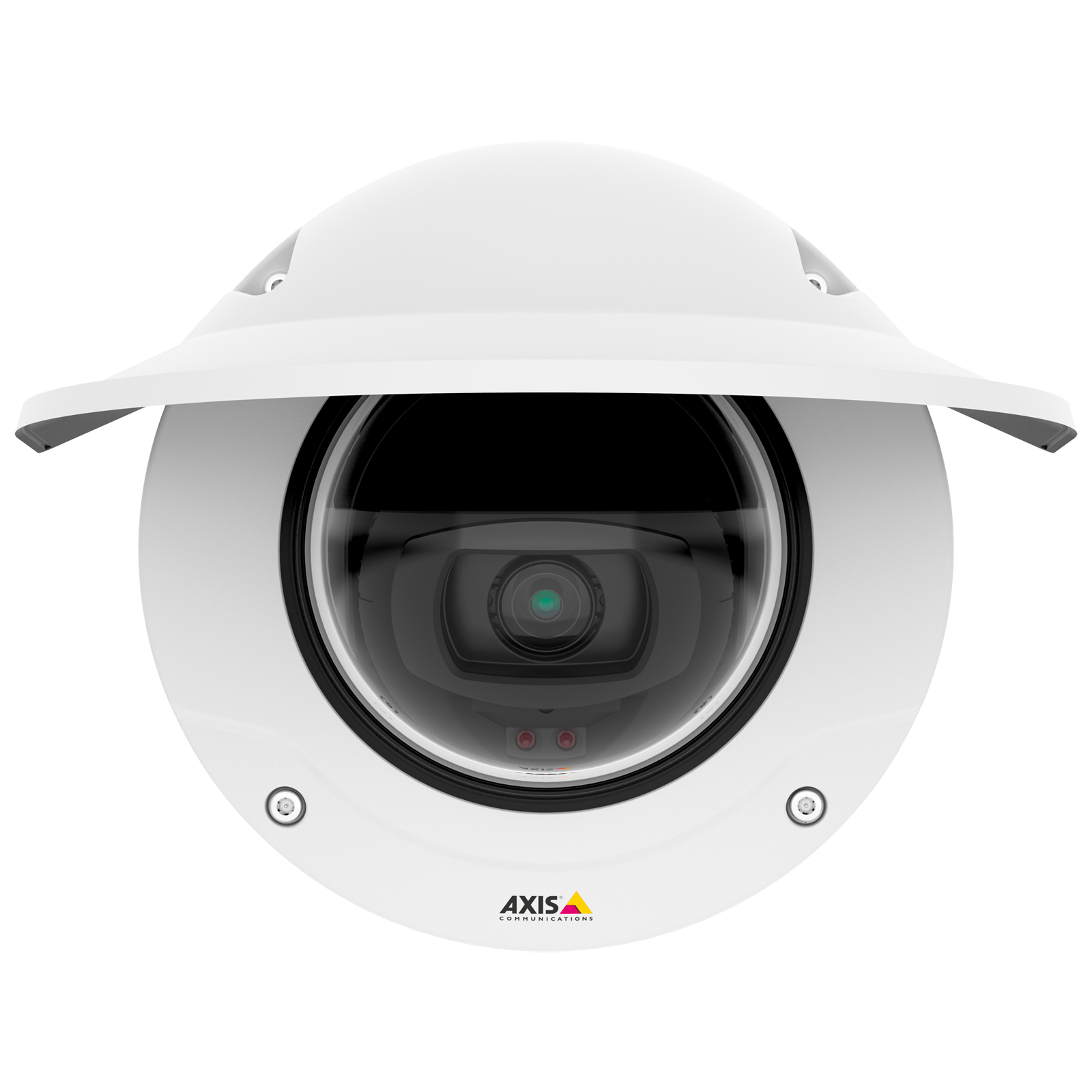
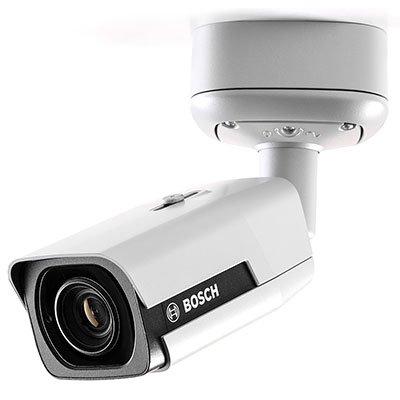
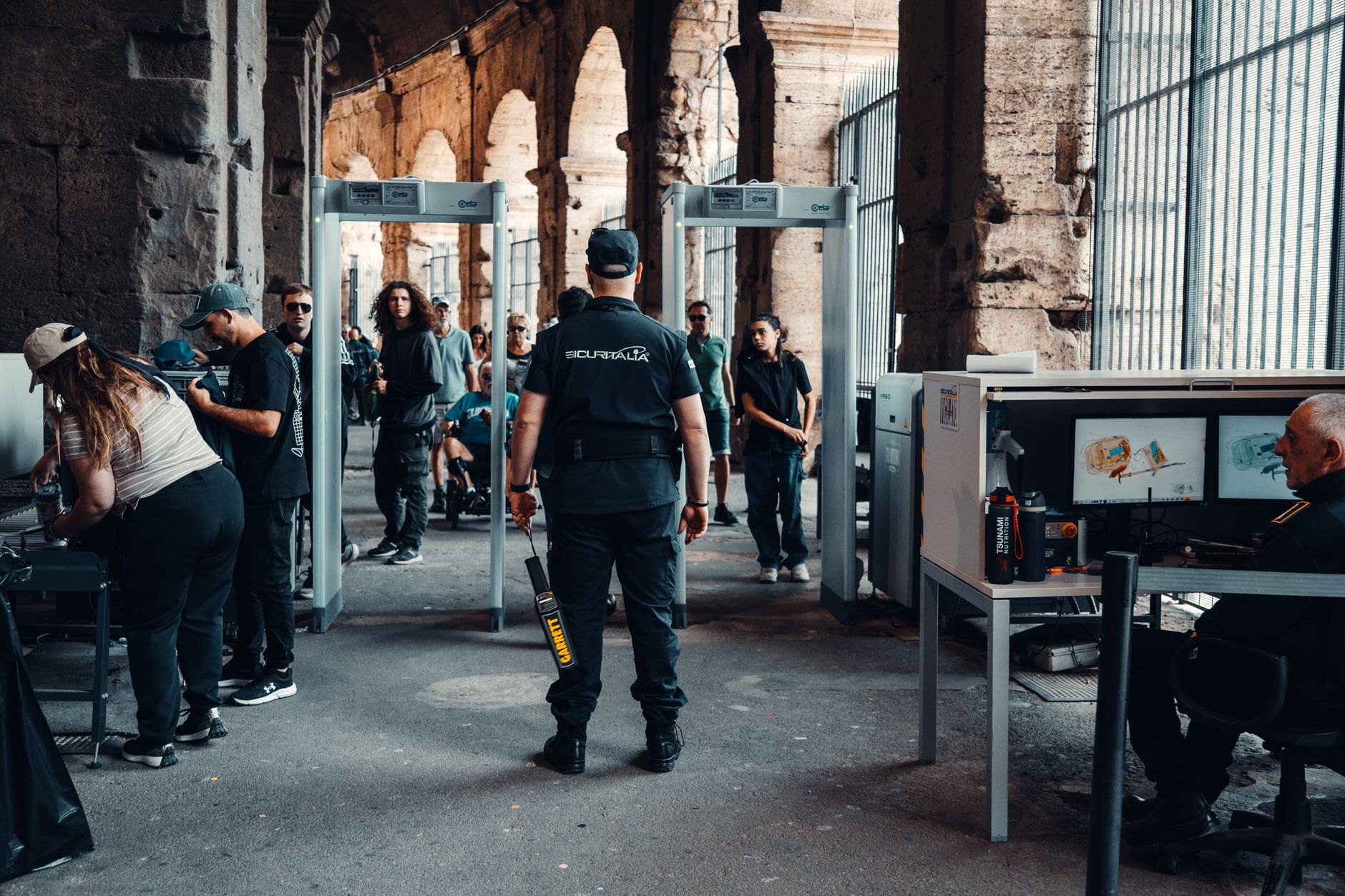
An infrared sensor is a device that uses infrared beams to detect the presence of a person or object within a specific area. In cafeteria queue management, it is typically installed at entry/exit points to count people based on beam interruption.
The operating principle is simple: when a person passes through, the infrared beam is interrupted, and the sensor records one count. However, it cannot distinguish between a person and an object (carts, boxes) or multiple people walking close together. This leads to error rates of 15-30% in crowded cafeteria environments. Infrared sensors are suitable for small cafeterias (under 50 meals/hour) or low-traffic areas where high accuracy is not critical.
Comparison table: AI camera vs. infrared sensor
Below is a detailed comparison table of 6 criteria between AI people counting cameras and infrared sensors, helping you make an objective assessment before investing.
| Criteria | AI People Counting Camera | Infrared Sensor |
|---|---|---|
| Accuracy | 95-98% (identifies people, distinguishes objects) | 70-85% (prone to errors with crowds or obstacles) |
| Object Classification | Yes (distinguishes adults/children, staff/guests) | No (only counts beam interruptions) |
| Initial Investment Cost | 10-25 million VND/camera (depending on resolution and AI) | 2-5 million VND/sensor (3-5 times cheaper) |
| Operating Cost | Low (maintenance once/year, power 10-15W) | Very low (battery or power 2-5W, few failures) |
| System Integration | Easy (API, Modbus, POS/ERP connectivity) | Limited (mainly relay output or pulse counting) |
| Suitable Environment | Busy cafeterias, buffet restaurants, schools | Small cafeterias, low-traffic hallways, cold storage |
Which solution to choose for your cafeteria?
Related articles
Counting bus passengers with AI: Optimize routes, reduce operating costs & increase ticket revenue in 2026
9 min readCounting metro, subway & ferry passengers with AI cameras: Load management and safety 2026
9 min readStart with a free 60-minute site survey
Our senior technical team will visit your site, assess the current setup, and propose a bundle matched to your business model and budget.