
Face ID school gates and card-based systems are two popular access control solutions in Vietnamese schools. This article compares Face ID vs card systems based on cost, security, speed, and attendance management capabilities, helping school boards make the right investment decision for the 2026 school year.
What is Face ID for schools?

Face ID for schools is an access control system that uses AI cameras to recognize the faces of students, teachers, and staff. The system includes a face reader, turnstile or barrier gates, and centralized management software. Facial data is encrypted, allowing automatic attendance recording when students pass through the gate.
The facial recognition school gate system operates based on AI biometric technology. When a student approaches the gate, the AI camera scans their face within 0.5-1 second, comparing it against the registered database. If matched, the gate opens and the system automatically records the entry/exit time. This solution is particularly suitable for schools with large student populations (over 1,000 students) or high security requirements where controlling unauthorized access is a top priority.
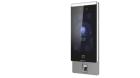
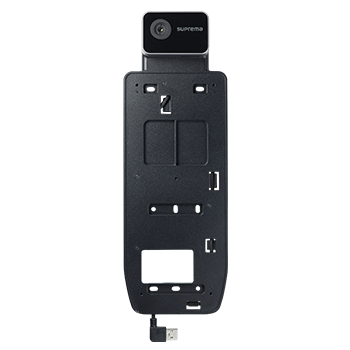
Some popular devices integrating Face ID include the Suprema FaceLite or ZKTeco ProFace X TD face readers, combined with 3-arm turnstiles or swing barriers to create controlled passageways.
What is a card-based system for schools?




A card-based system for schools uses RFID or magnetic stripe cards with embedded chips for identity authentication. Students swipe their cards through a reader installed at turnstile or barrier gates. Data is recorded and stored in management software, allowing entry/exit time tracking.
This is a familiar technology, widely deployed in many Vietnamese schools over the past 10-15 years. Each student is issued a plastic card with an embedded RFID chip (125kHz or 13.56MHz frequency). When entering or exiting the gate, students simply hold their card near the reader (3-5cm distance) for authentication. The initial investment cost is lower than Face ID, but operational costs may arise due to lost, damaged, or forgotten cards.
Detailed comparison: Face ID vs card systems for schools

The comparison table below examines 7 important criteria between Face ID and card systems, helping school boards make an objective assessment before deciding on an investment for 2026.
| Criteria | Face ID Gate | Card System (RFID) |
|---|---|---|
| Initial investment cost | High (40-80 million VND/gate depending on equipment) | Low (15-30 million VND/gate) — Best |
| Annual operating cost | Low (no card expenses) — Best | Medium (5-15 million VND/year for replacement cards) |
| Entry/exit speed | 0.5-1 second/person — Best | 2-5 seconds/person (including card swiping action) |
| Accuracy | 99.5%+ (3D AI anti-spoofing technology) | 100% (if card is valid) — Best |
| Truancy prevention capability | High (cards cannot be borrowed) — Best | Low (students can lend cards to each other) |
| Anti-spoofing security | High (resists photos/videos, requires real face) — Best | Medium (cards can be cloned) |
| Automatic attendance management | Fully automatic, no action required — Best | Requires manual card swiping action |