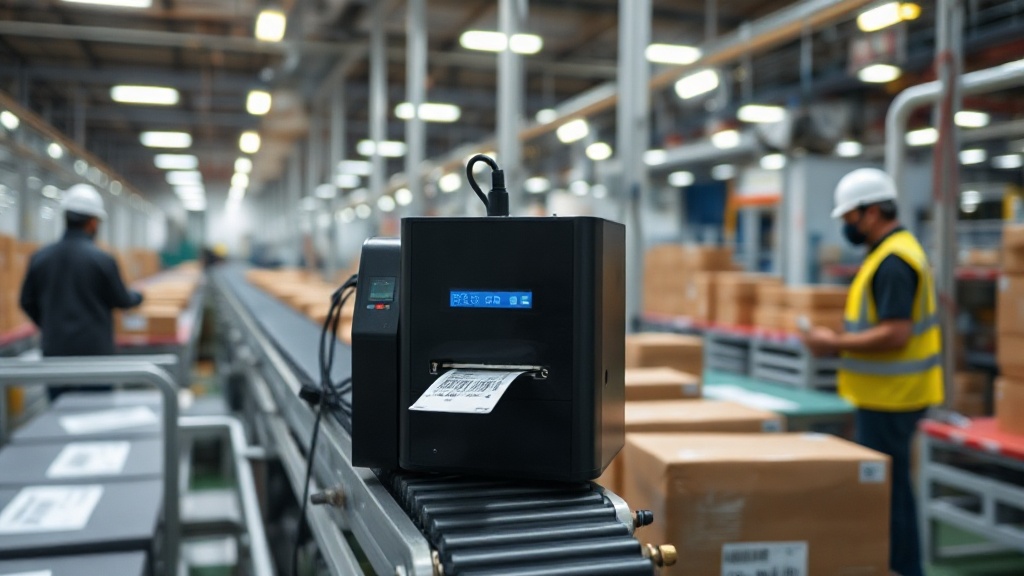
Source-tagging RFID is the process of attaching RFID tags (UHF Gen2) directly to products or packaging right on the production line, along with EPC encoding according to GS1 standards to create a globally unique identifier. In Vietnam, textile, food, and electronics factories are deploying this solution to synchronize data from raw material warehouses to points of sale, reducing losses and optimizing operations.
What is Source-tagging RFID?

Source-tagging RFID is the embedding or attaching of RFID tags (usually UHF Gen2) to products, cartons, or pallets right at the manufacturing plant, before the goods leave the facility. This process includes EPC encoding (encoding EPC according to GS1 standards) so that each tag has a unique code, traceable throughout the supply chain.
Unlike RFID applied at distribution centers (distribution center tagging), source-tagging allows manufacturers to control the entire product lifecycle from the start. According to a GS1 US 2025 report, businesses deploying source-tagging reduce labor costs for the tagging stage by 15-25% and increase order processing speed by 30-40%.
The EPC Encoding Process from the Supply Chain: 5 Core Steps
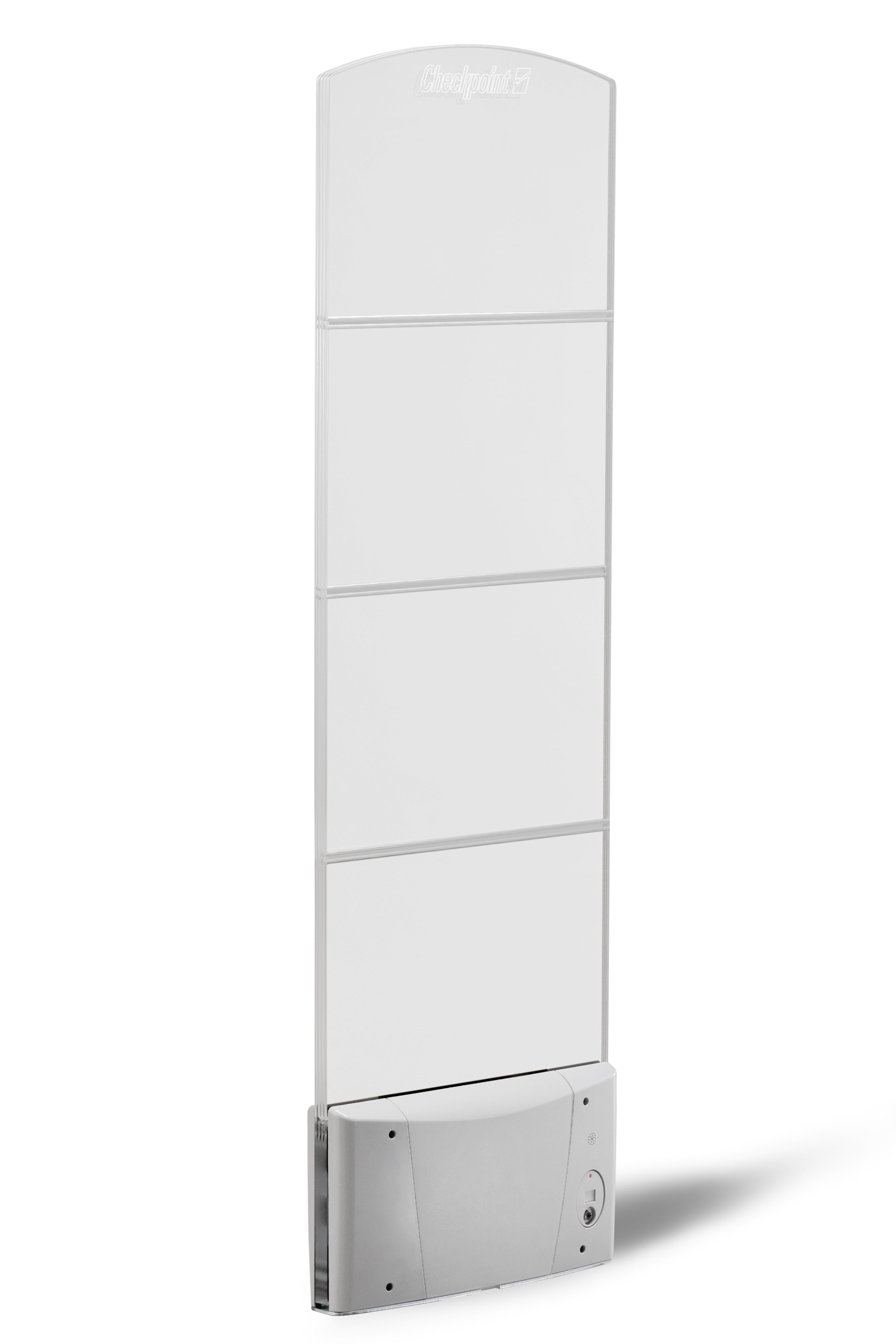
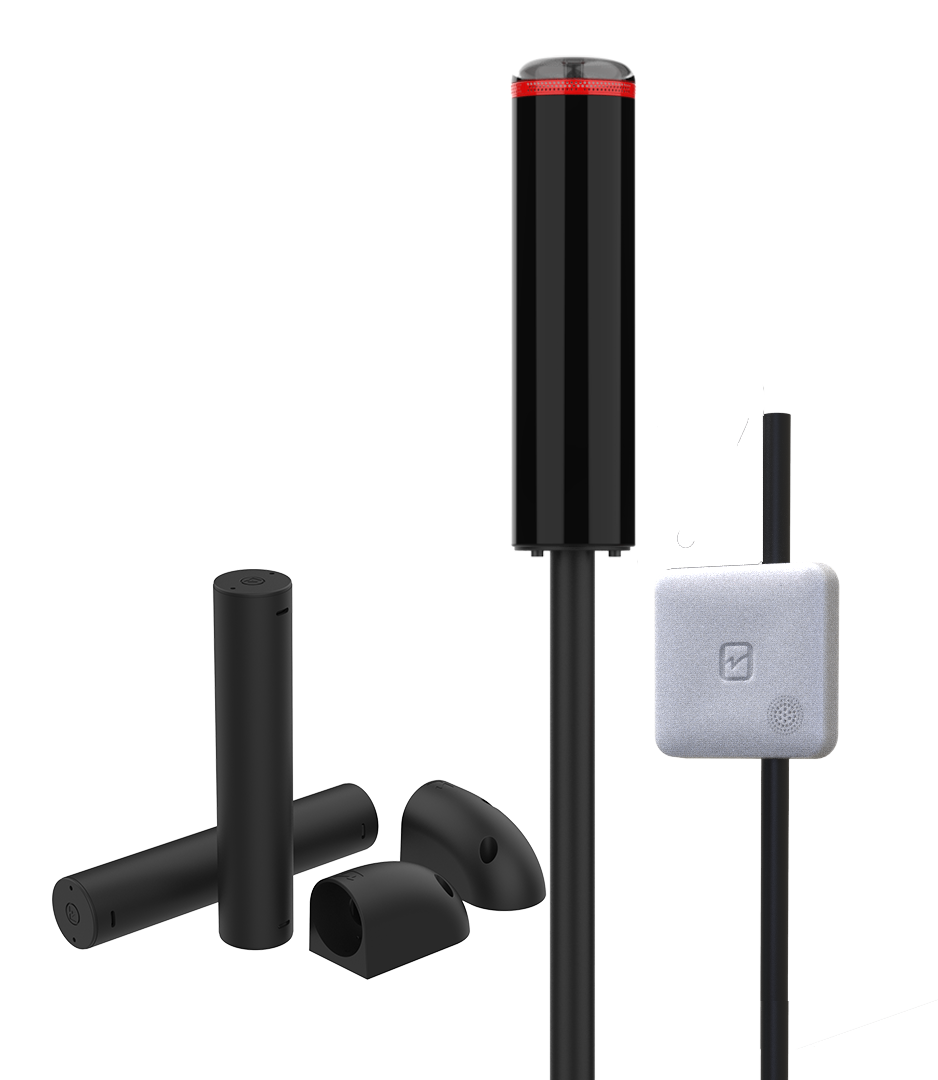


EPC encoding is the process of writing data onto the RFID chip according to the GS1 structure (SGTIN-96, SSCC-96, GRAI-96). The standard process consists of 5 steps: commissioning (data creation), write (writing to the tag), verify (checking), lock (locking against overwriting), and quality check (checking inlay quality).
- Step 1: Commissioning — Creating the EPC structure based on the GTIN (Global Trade Item Number) and serial number. For example, with SGTIN-96, 96 bits are divided into Header (8 bits), Filter (3 bits), Partition (3 bits), Company Prefix (20-40 bits), Item Reference (24-4 bits), Serial Number (38 bits).
- Step 2: Write — Using a UHF RFID printer-encoder (Zebra ZT600 series, Epson CW-C6000) to write the EPC onto the tag. Average write speed is 15-25 tags/minute depending on the tag type and inlay quality.
- Step 3: Verify — Re-reading the tag using a fixed UHF reader (Impinj Speedway Revolution, Zebra FX9600) to confirm the EPC data is accurate. Write error rates are typically below 0.5% with high-quality inlays.
- Step 4: Lock — Activating the "permalock" mode on the chip (according to Gen2 v2 standard) to prevent overwriting the EPC after shipment. This ensures data integrity throughout the supply chain.
- Step 5: Quality check — Checking with a UHF handheld reader (Zebra MC3390R, Honeywell CK65) to ensure the tag is readable at a distance of 3-5 meters, without interference from metal or liquids.
Financial and Operational Benefits of Source-tagging RFID

Source-tagging RFID delivers clear financial benefits: a 15-25% reduction in labor costs for tagging, a 30-40% increase in inventory accuracy, and a 90% reduction in inventory counting time. Operationally, synchronized EPC data from the factory to the point of sale helps detect losses early and optimize product flow.
- Reduced inventory counting time: A factory producing 10,000 SKUs/month can complete a full inventory count in 1-2 hours instead of 3-5 days (a 95% time reduction).
- Increased inventory accuracy: According to research by the Auburn University RFID Lab, source-tagging improves accuracy from 65-75% to 95-99%.
- Loss prevention: EPC encoding allows tracing the origin of each product. If counterfeit goods are detected, the exact production batch and source factory can be identified.
- Logistics optimization: EPC data from source-tagging integrates with WMS (Warehouse Management System) to automate inbound/outbound processes, reducing warehouse operating costs by 20-30%.
Summary Table: Common EPC Encoding Standards

| EPC Standard | Definition | Application Example |
|---|---|---|
| SGTIN-96 | Serialized Global Trade Item Number Ready to deploy in 7–14 days Start with a free 60-minute site surveyOur senior technical team will visit your site, assess the current setup, and propose a bundle matched to your business model and budget. |