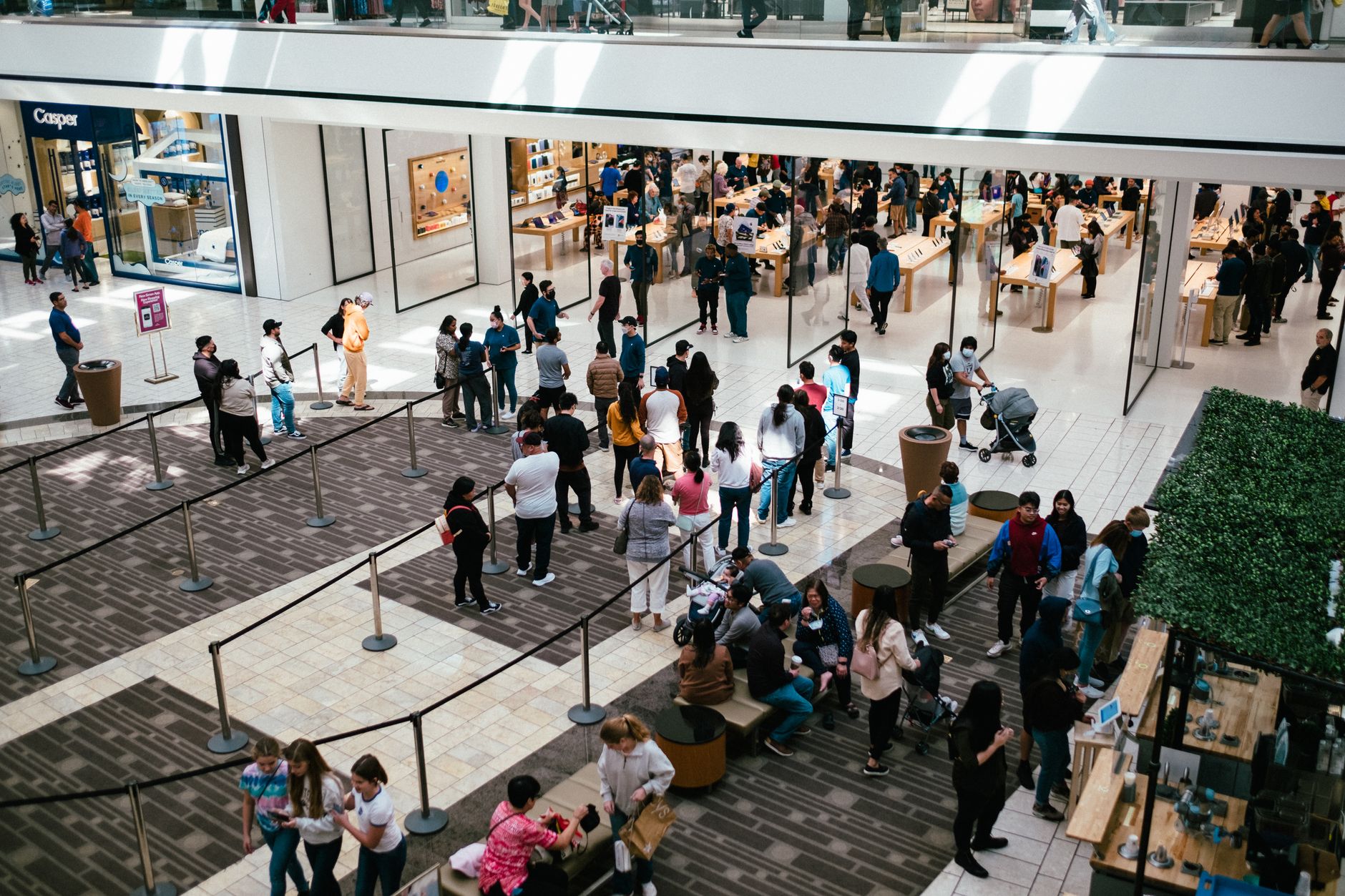
People counting cameras are devices integrated with specialized sensors to measure the number of customers entering and exiting in real time. The three most common sensor technologies today — stereo 3D, Time-of-Flight (ToF), and thermal infrared — each have different operating principles and accuracy levels, directly impacting the investment cost and operational efficiency of retail chains, mini-supermarkets, and showrooms in Vietnam.
What are Stereo 3D, ToF, and Thermal Infrared? Basic Operating Principles
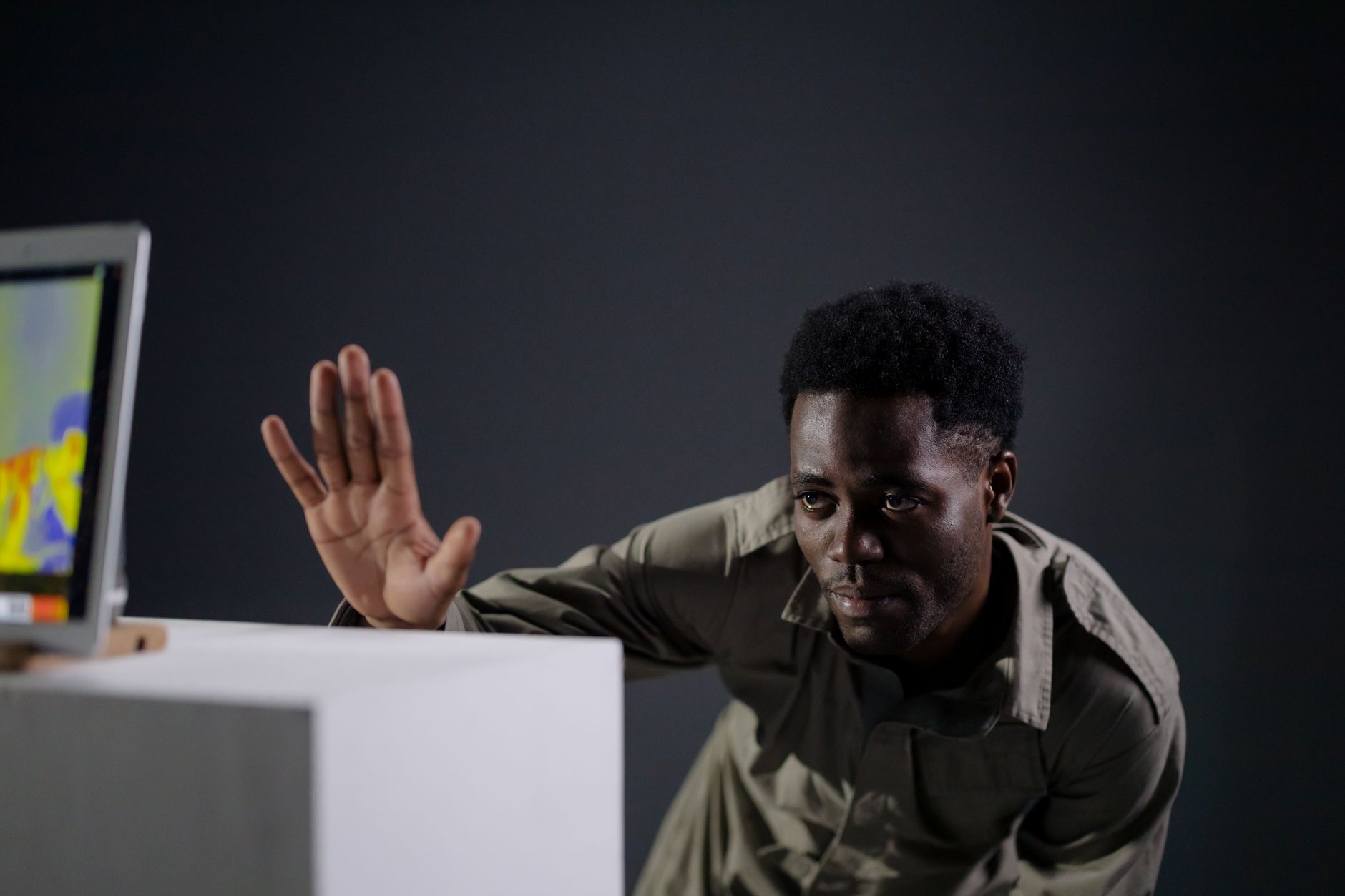
All three technologies aim to count people, but the way they "see" and process data is completely different. Stereo 3D simulates binocular vision, ToF measures the time of reflected light, and thermal infrared relies on body heat radiation.
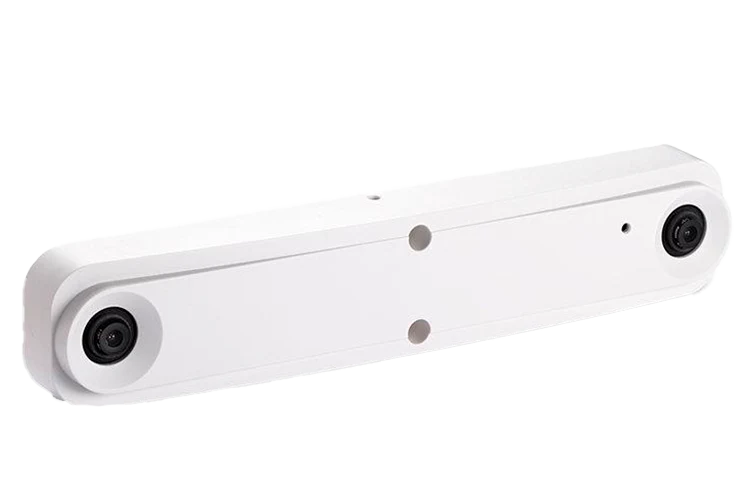
- Stereo 3D: Uses two lenses placed at a fixed distance apart, similar to human eyes. Software compares the differences between the two images to create a depth map, thereby identifying and counting human-shaped objects. Common accuracy reaches 95–98% in stable natural light conditions. This technology is unaffected by shadows or reflections but requires a minimum of 50 lux of light.
- Time-of-Flight (ToF): Emits an infrared laser beam (typically at 850–940nm wavelength), measuring the time from emission to when it reflects back to the sensor. Each pixel in the sensor records the corresponding distance, creating a real-time 3D map. ToF operates independently of ambient light, even in complete darkness. Processing speed is fast, reaching 30–60 frames per second, suitable for crowded spaces with continuous movement.
- Thermal Infrared: The sensor detects infrared radiation (heat) emitted from the human body, typically in the 8–14 µm range. Each object with a body temperature of 36–37°C appears as a hot spot on a thermal matrix (usually 32×32, 80×64 pixels). This technology is completely independent of light, does not violate privacy rights as it does not capture facial images, but has low resolution, making it prone to errors when two people stand close together.
Real-World Accuracy Comparison of Stereo 3D, ToF, and Thermal Infrared

Accuracy depends not only on the technology but also on the installation environment. In Vietnamese retail, stereo 3D typically achieves 95–98%, ToF achieves 90–95%, and thermal infrared ranges from 85–92% depending on conditions.
| Factor | Stereo 3D | ToF | Thermal Infrared |
|---|---|---|---|
| Average accuracy | 95–98% | 90–95% | 85–92% |
| Light dependency | Yes (≥50 lux) | No | No |
| Counting large groups (≥5 people) | Good | Very good | Average |
| Distinguishing adults/children | Yes | Yes | Difficult |
| Affected by ambient temperature | No | No | Yes (above 38°C accuracy decreases) |
| Staff exclusion | Easy | Easy | Complex |
Investment and Maintenance Costs for Each Type of People Counting Camera

Cost is a decisive factor for most small and medium business owners. Stereo 3D has the highest price but offers long-term stability, ToF is mid-range, and thermal infrared is the cheapest but prone to errors.
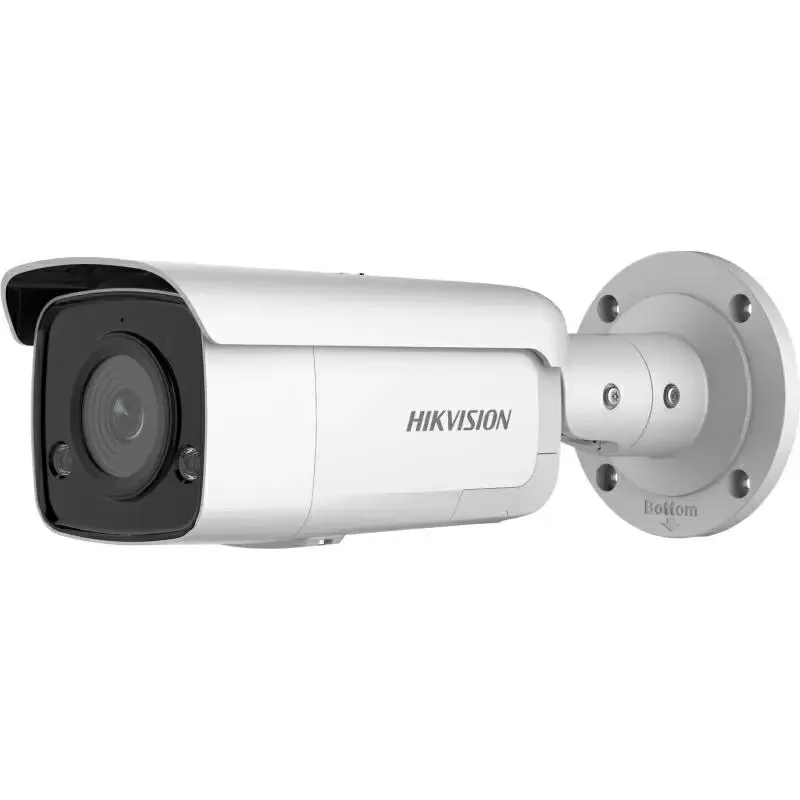
- Stereo 3D: Device price ranges from 12–25 million VND/camera (depending on the brand like Xovis, Hikvision). Initial installation and calibration costs are about 2–5 million VND/location. Average lifespan is 5–7 years. Periodic maintenance every 6 months costs 1–2 million VND/time.