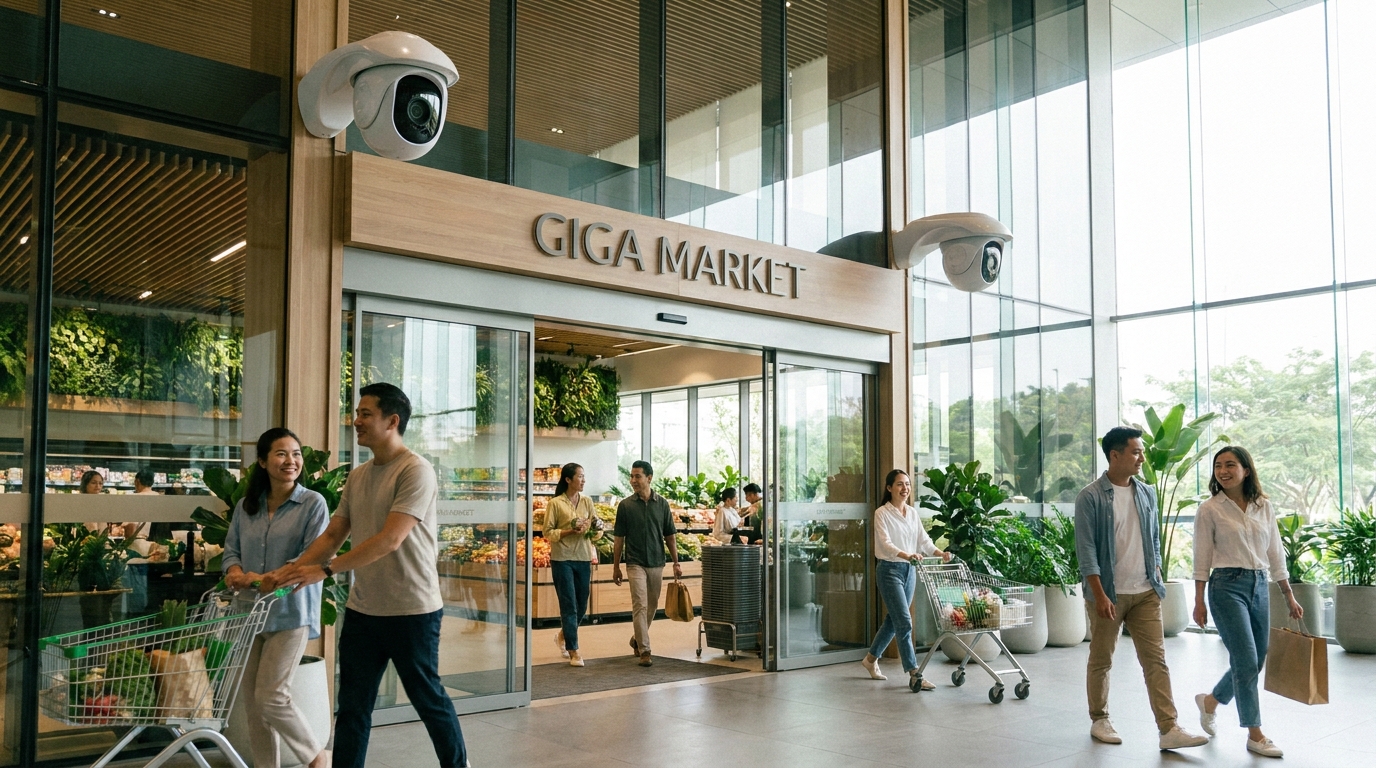
A supermarket footfall counter is an automatic people counting system based on AI cameras or 3D stereo vision sensors, recording the number of customers entering and exiting in real time. In Vietnam, this technology is being widely deployed in mini-supermarket chains, convenience stores, and shopping malls to optimize operations and measure business performance.
Operating principle of the supermarket footfall counter
The supermarket footfall counter operates based on AI computer vision or 3D sensors. The camera captures images, AI processes each frame to recognize and track human subjects, counting the number of customers entering and exiting without storing facial recognition data, ensuring privacy.
The operating process includes the following steps:
- Data collection: Cameras or 3D sensors placed at entrances/exits record the flow of moving people.
- AI processing: Deep learning algorithms analyze each video frame, recognize heads or entire bodies, and distinguish people from other objects (shopping carts, pets).
- Counting and classification: The system counts the number of customers entering and exiting separately (bi-directional counting), supporting counting by age group, gender (depending on configuration).
- Data output: Data is synced to a cloud dashboard or management software, displaying real-time traffic, heatmaps, and reports by hour/day/week.
Example: A 200m² mini-supermarket installs 2 supermarket people counting cameras at the entrance/exit. The system records 450 customers entering and 420 customers exiting between 5 PM and 7 PM, helping the store owner identify peak hours and adjust staffing.
Popular footfall counter technologies
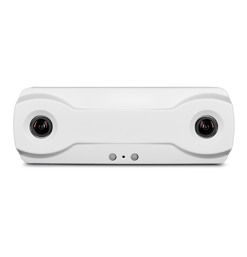
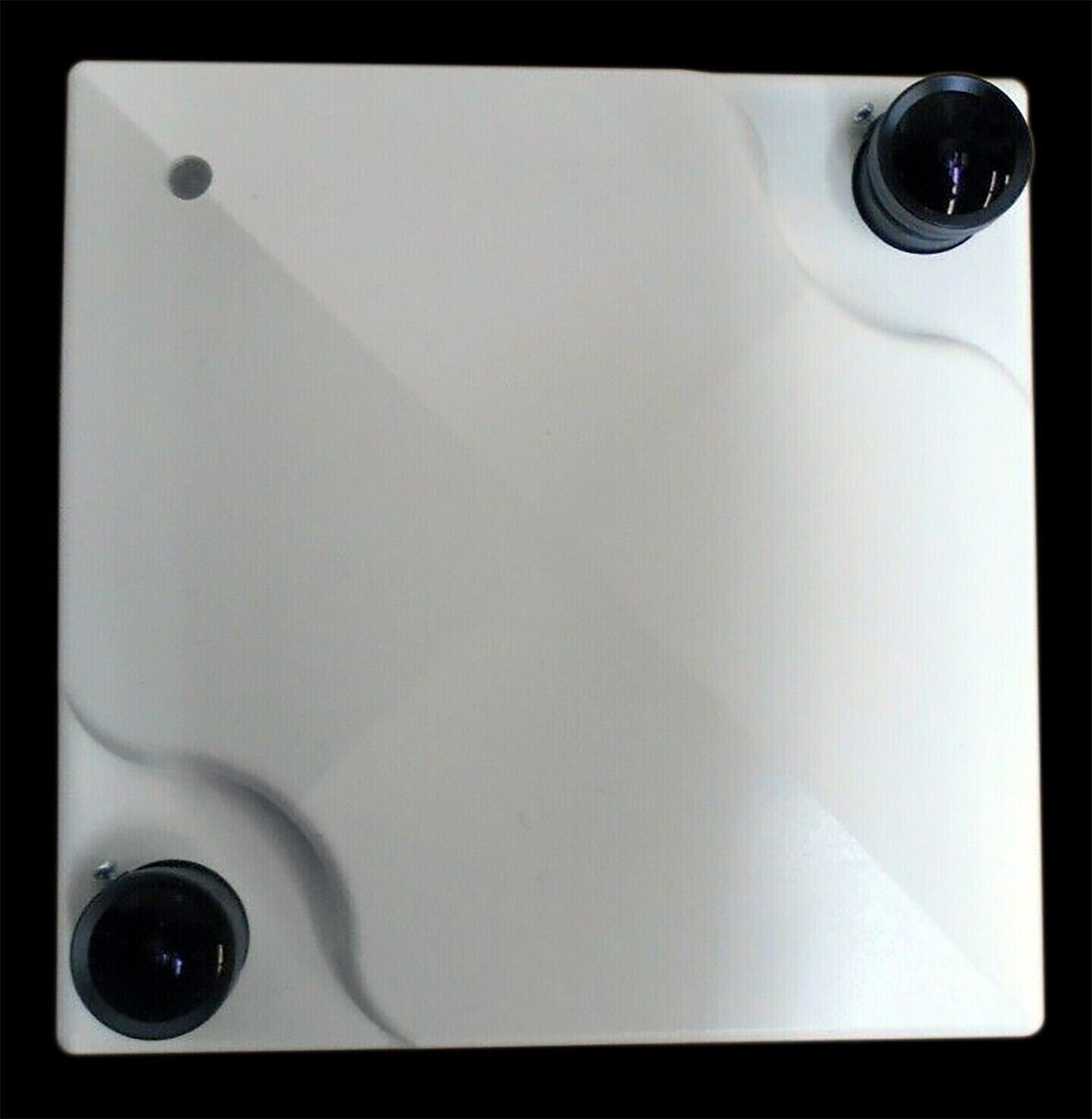
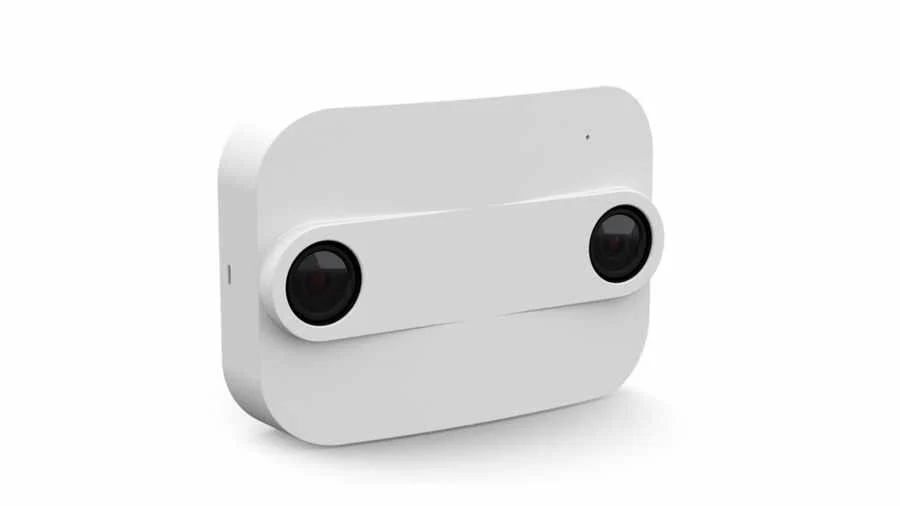
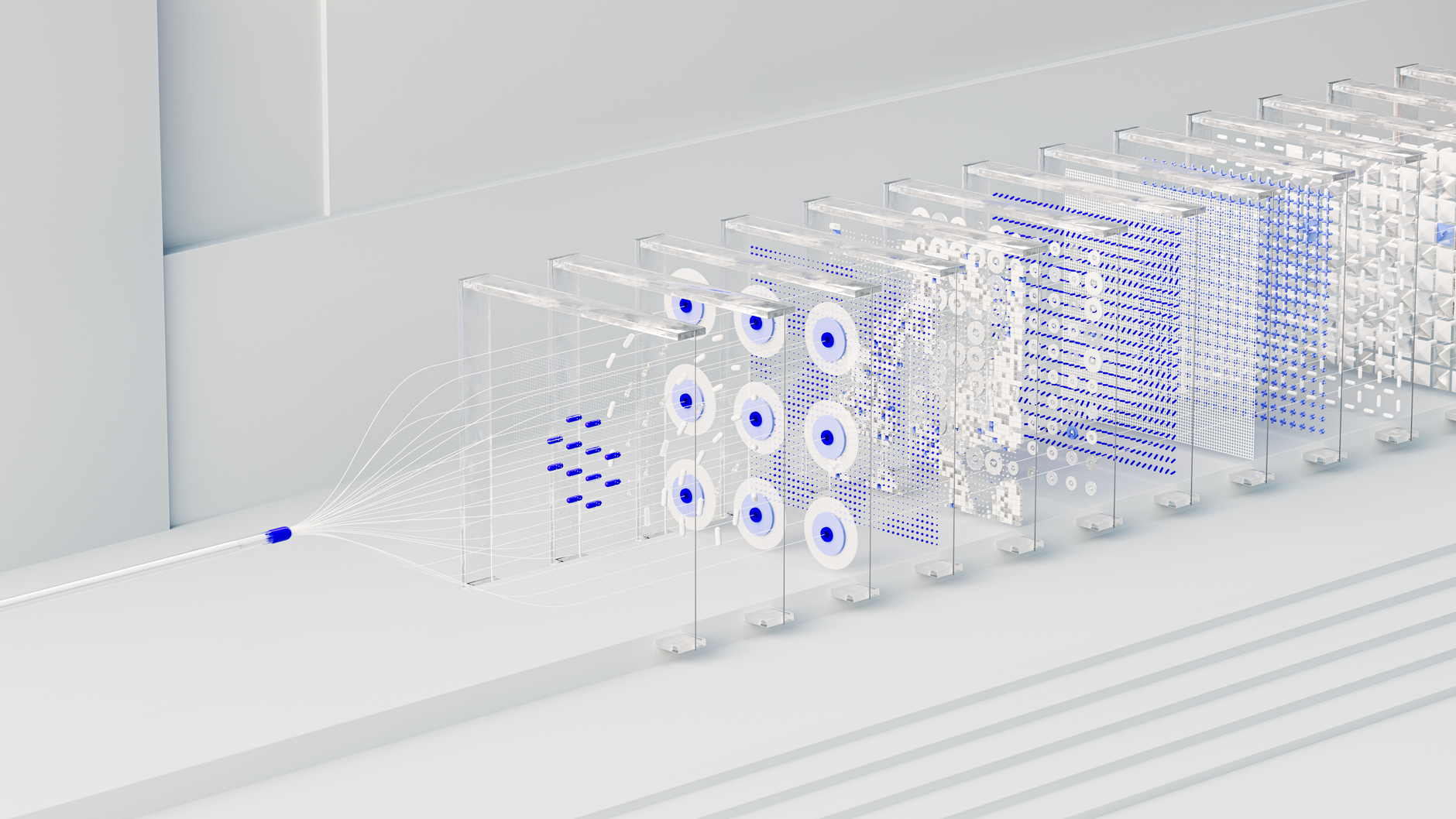
There are three main technologies: AI computer vision cameras, 3D stereo vision sensors, and infrared sensors. AI cameras offer the highest accuracy (95-99%), suitable for large supermarkets; 3D sensors are suitable for narrow spaces; infrared is used for low budgets.
| Technology | Accuracy | Cost | Suitable for |
|---|---|---|---|
| AI Computer Vision Camera | 95-99% | High | Supermarkets, shopping malls, large stores |
| 3D Stereo Vision Sensor | 90-95% | Medium | Medium stores, narrow aisles |
| Infrared Sensor | 70-85% | Low | Small stores, low budget |
Among these, AI cameras integrated with AI NVR on-box deep learning are the 2026 trend, allowing on-device processing without a separate server.
Real-world application: Footfall data drives business decisions
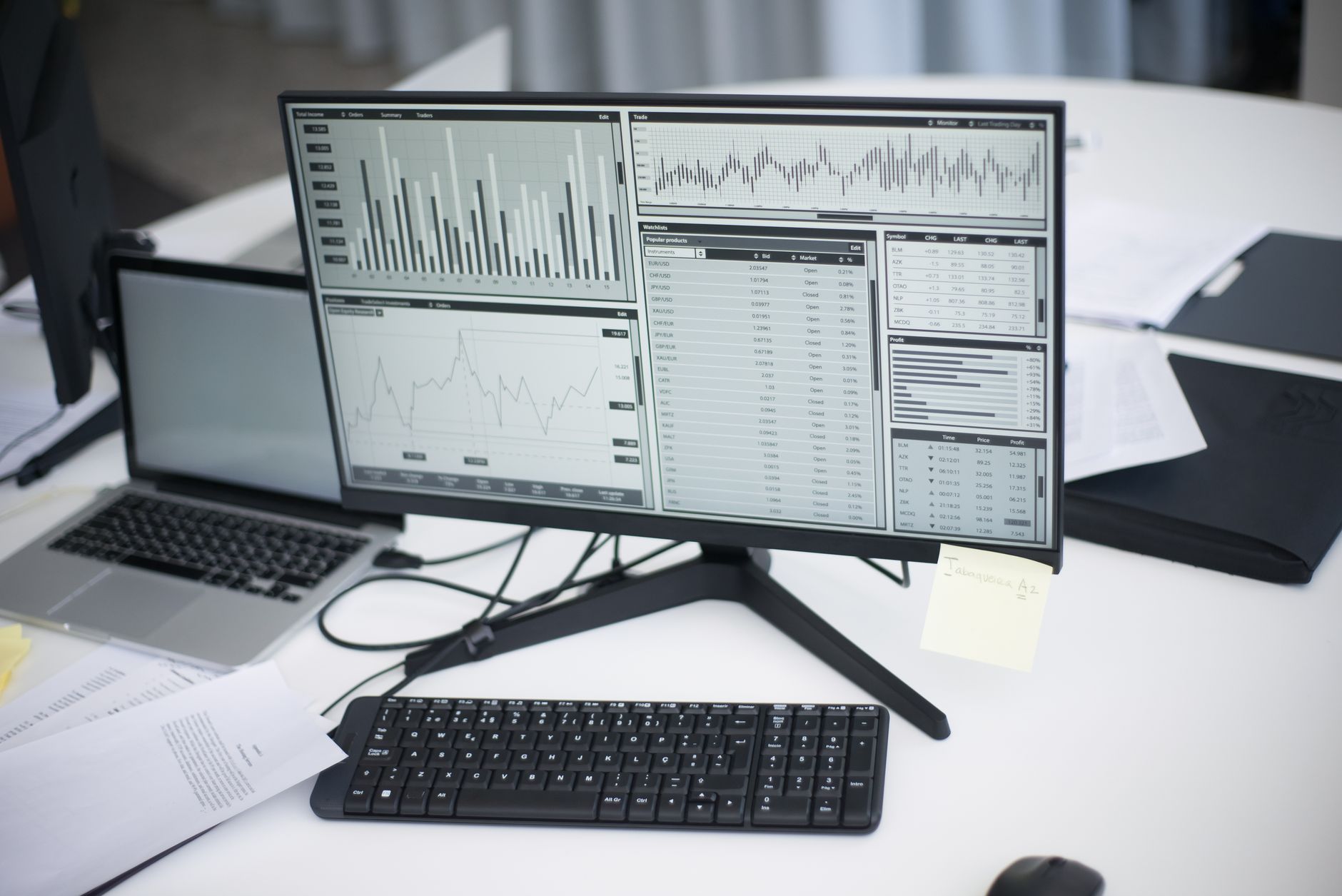
Footfall data is more than just a count. When combined with revenue, the system calculates conversion rate, average customer value, and the effectiveness of each marketing campaign.
- Staff optimization: Know peak hours to schedule more cashiers and sales staff. Reduce staffing costs by 15-25%.
- Marketing measurement: Compare footfall before and after advertising campaigns. Example: A Facebook Ads campaign increased weekend customer traffic by 30%.
- Product placement: Combine with heatmaps to identify the busiest areas and place key products there. Increase revenue by 8-15%.
- Store performance evaluation: Compare footfall across branches to identify underperforming stores for improvement.
Case study: Lá Me mini-supermarket chain deploys footfall counter
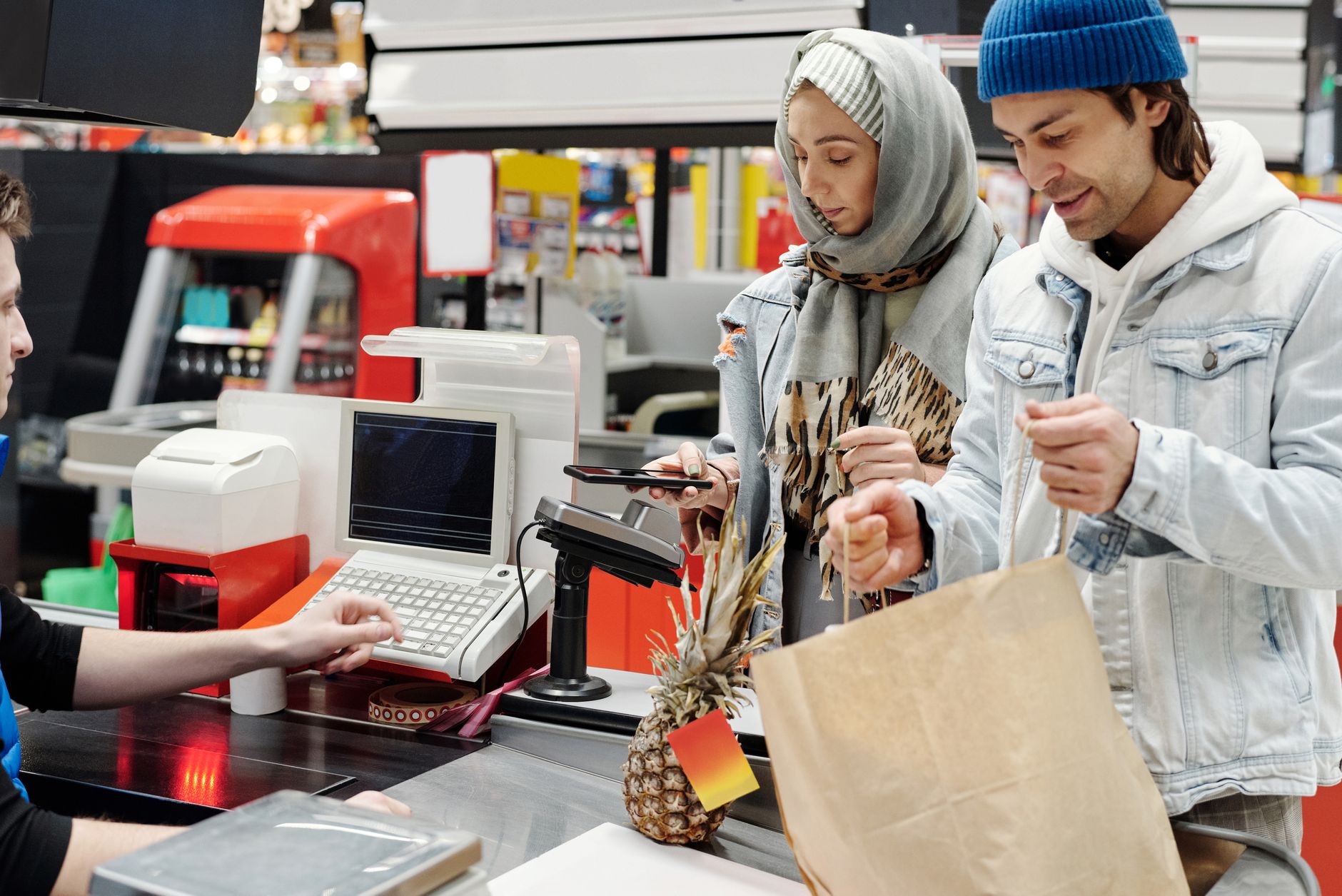
The Lá Me mini-supermarket chain (5 stores in Ho Chi Minh City) deployed AI people counting cameras from Việt Đức Trí Group. After 3 months, they recorded significant improvements in operations and revenue.
Specifically: Each store installed 2 AI cameras at the entrance/exit, connected to a cloud dashboard. Real-time footfall data showed peak hours were 11 AM-1 PM and 5 PM-8 PM. Lá Me adjusted employee work schedules, reducing overtime by 20%. Additionally, they discovered the conversion rate was only 35% in the morning due to a lack of sales staff. After adding staff, the conversion rate increased to 42%. ROI was achieved in 3-4 months.
Summary table: Footfall counter terminology
| Term | Definition | Example |
|---|---|---|
| Footfall | The number of people entering a store within a given period | 500 customers/day |
| Conversion rate | The ratio of customers who make a purchase (revenue Ready to deploy in 7–14 days Start with a free 60-minute site surveyOur senior technical team will visit your site, assess the current setup, and propose a bundle matched to your business model and budget. |