AI traffic counting cameras and inductive loop sensors are the two most popular technologies in intelligent traffic light control systems in Vietnam. Each type has its own advantages and disadvantages regarding accuracy, cost, and maintenance. This article provides a detailed comparison of the two technologies, helping traffic engineers and investors choose the optimal solution for each intersection.
What is an AI traffic counting camera and who is it suitable for?

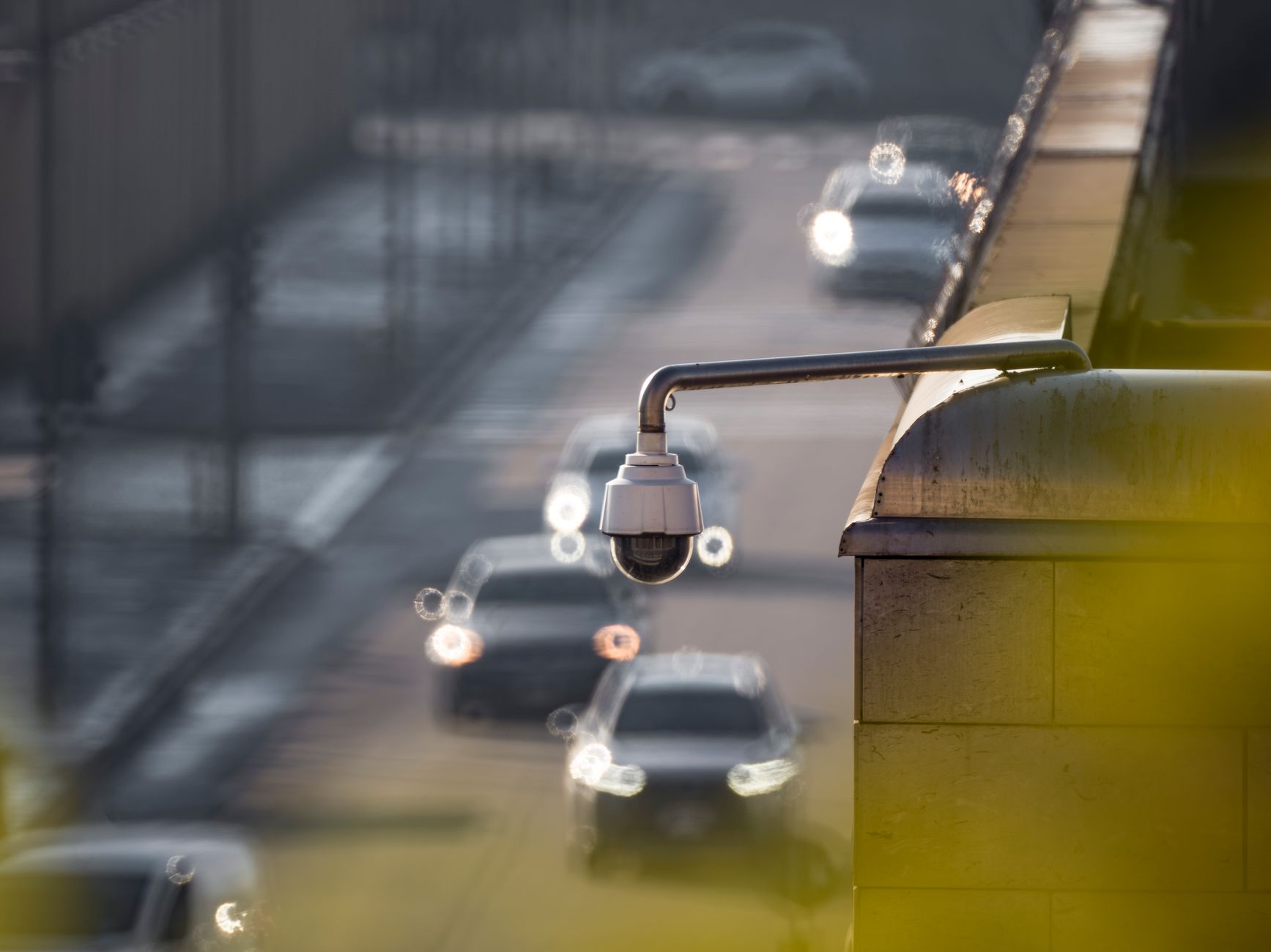
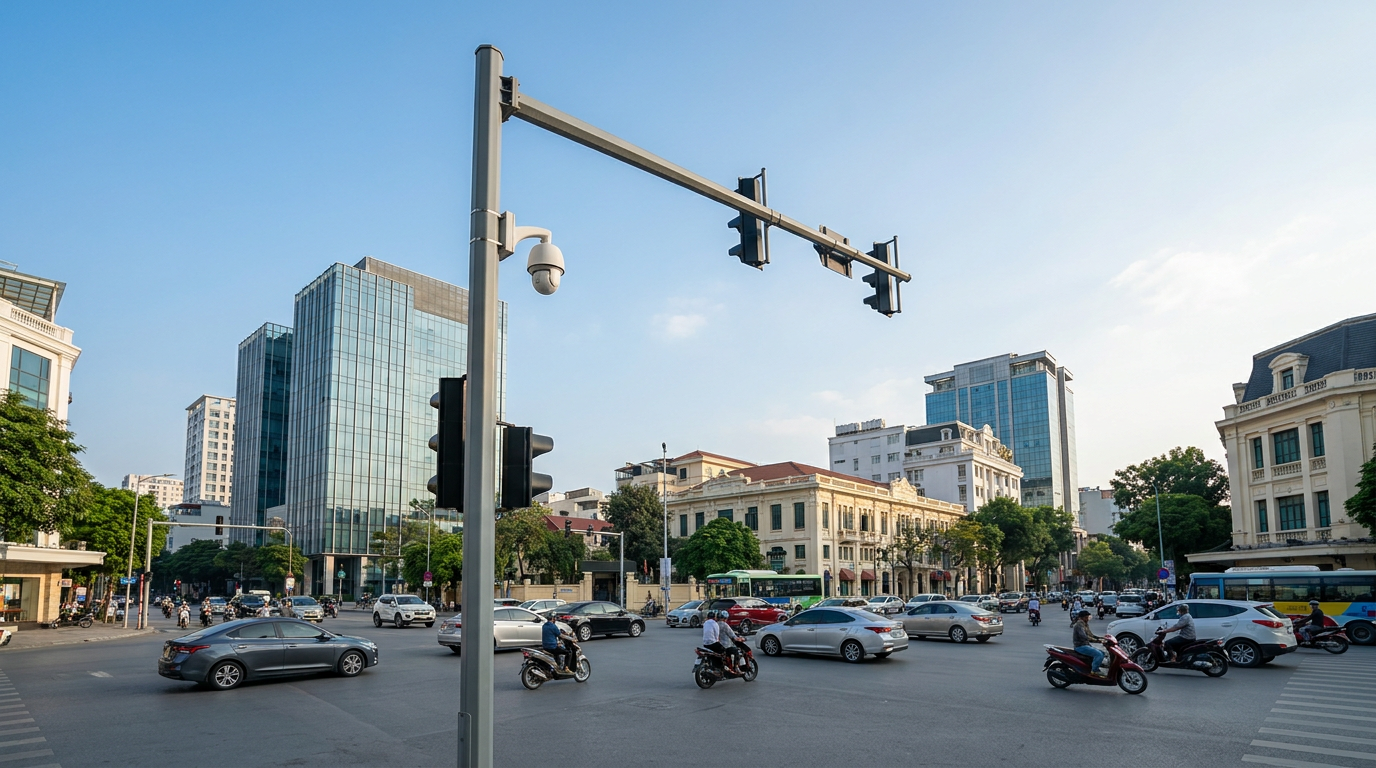
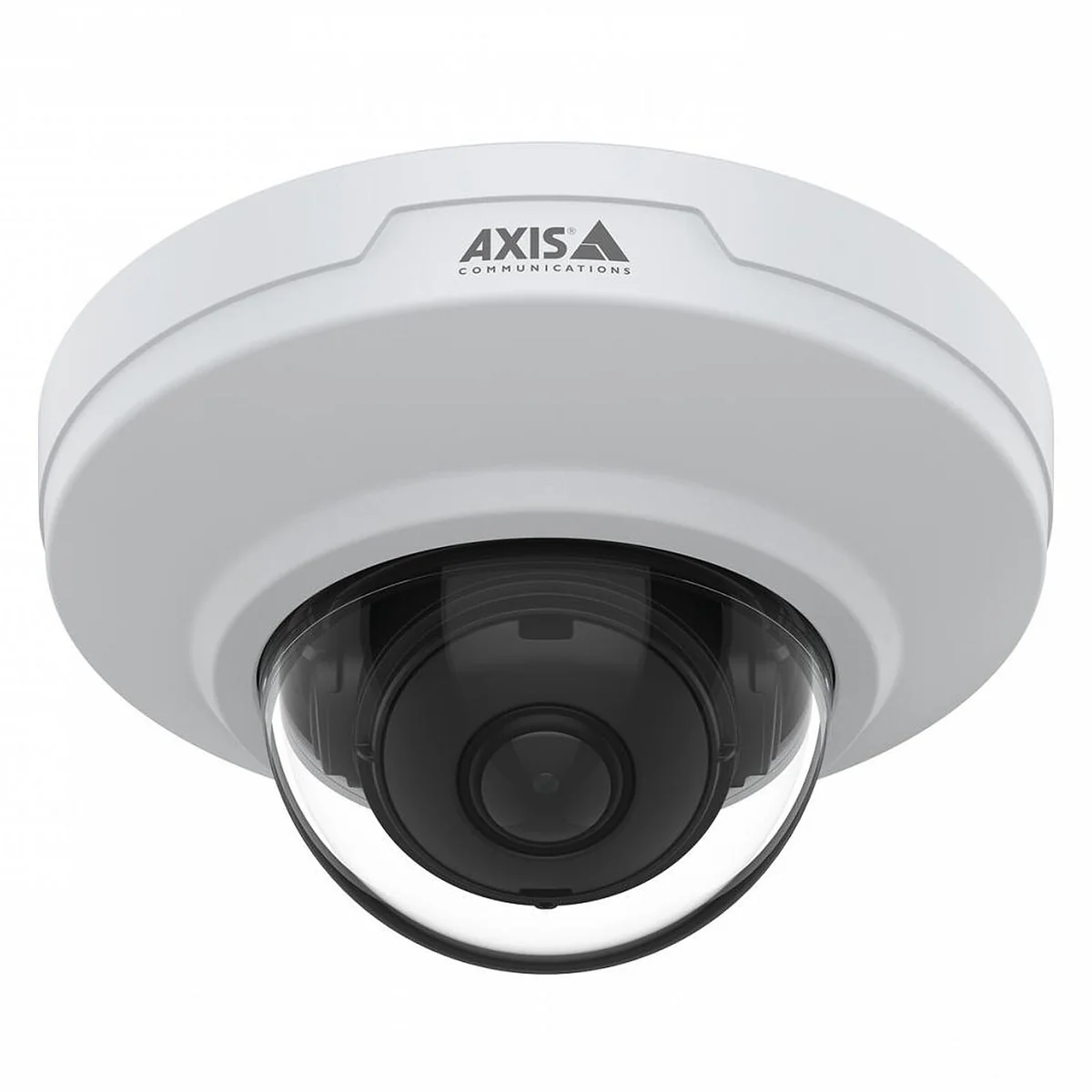
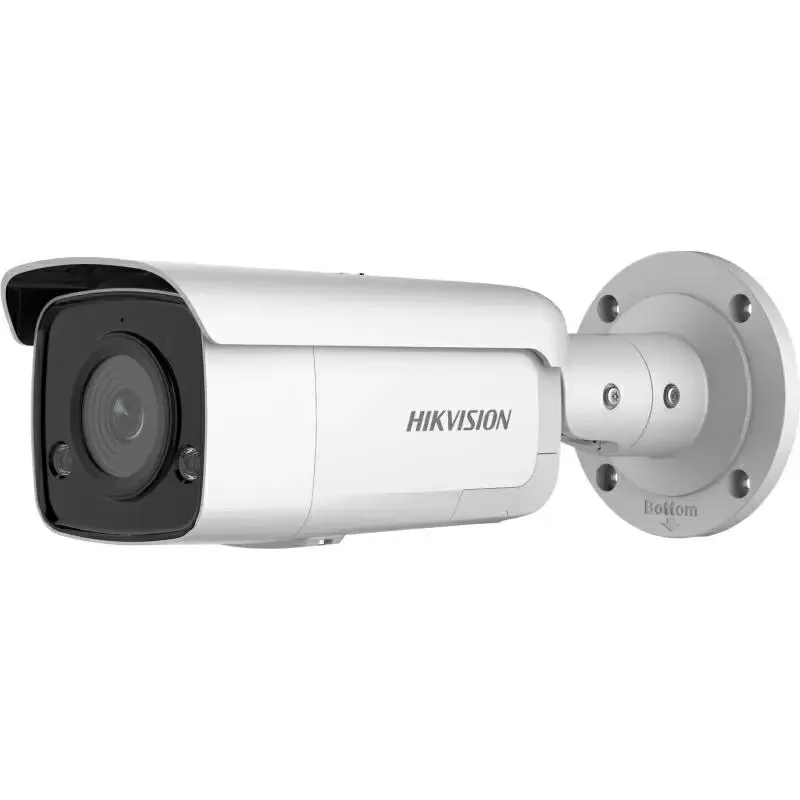
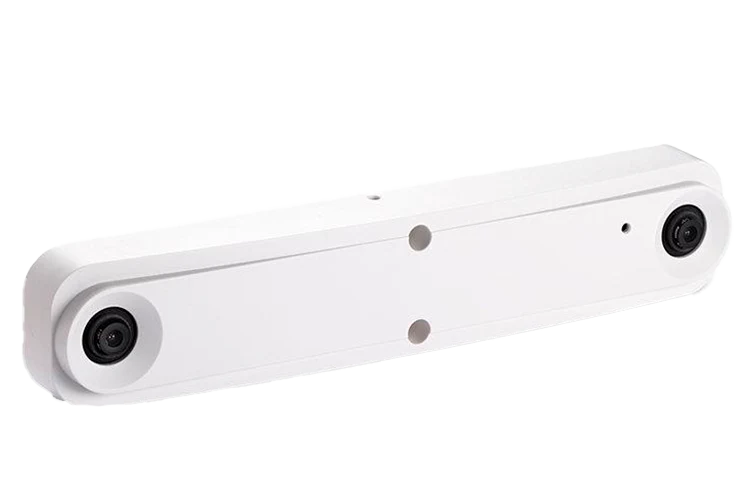
An AI traffic counting camera uses computer vision and deep learning to detect, classify (motorcycles, cars, trucks) and count the number of vehicles in real-time via video from dedicated traffic cameras. This solution is suitable for intersections that require detailed data collection, flexible traffic flow changes, and integration with intelligent traffic light control systems.
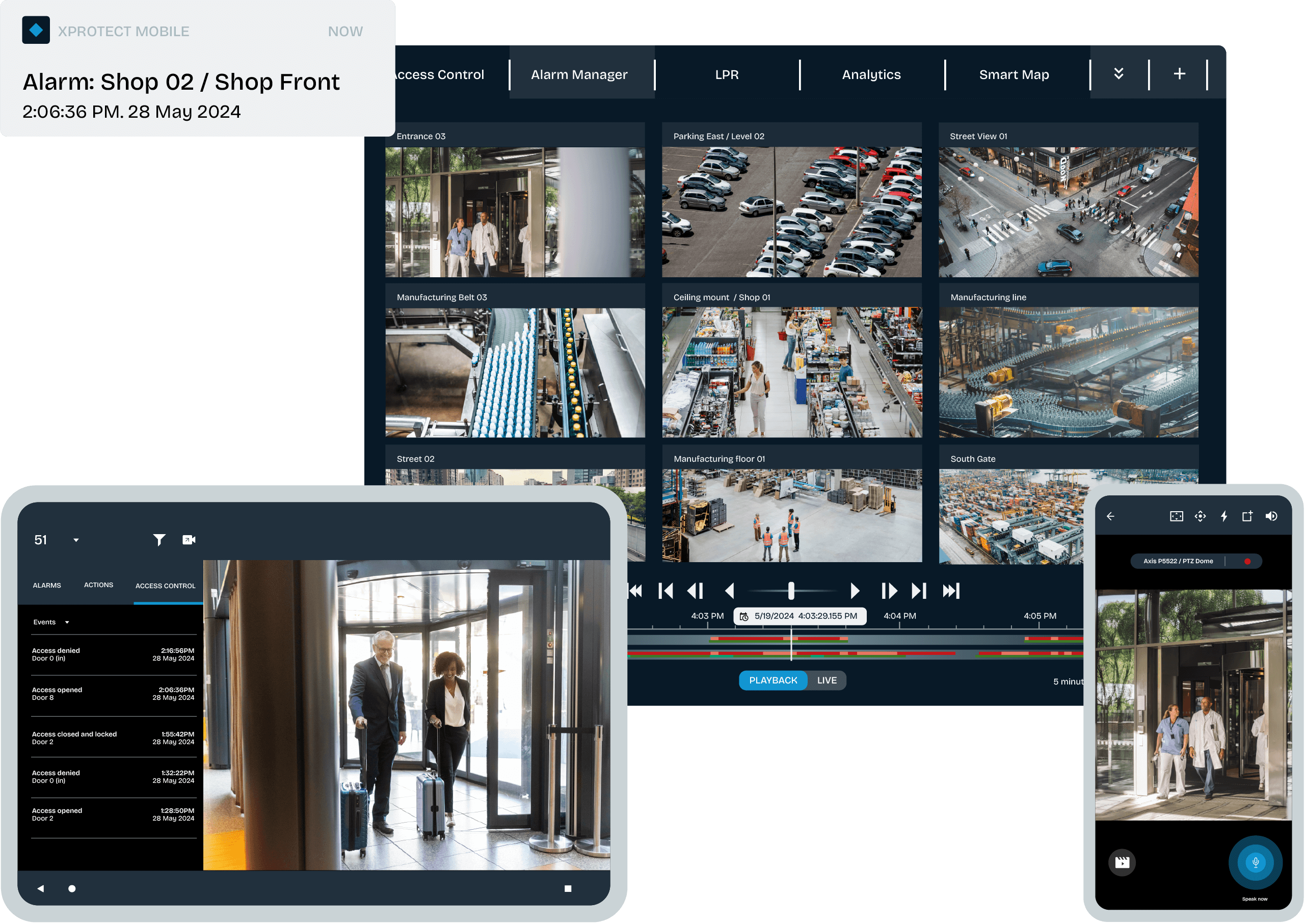
AI cameras operate based on YOLO or Faster R-CNN object detection algorithms, processing 25-30 frames per second. At complex intersections like Le Loi - Nguyen Hue (Ho Chi Minh City), AI cameras can simultaneously count 6 lanes with 95-99% accuracy. The system allows exporting traffic data by time slot, classifying vehicles, and providing early congestion warnings. The investment cost for one intersection including an AI camera, NVR, and analysis software ranges from 40-80 million VND, higher than inductive loop sensors but compensated by expandability and multi-dimensional data collection capabilities.
What is an inductive loop vehicle sensor and who is it suitable for?
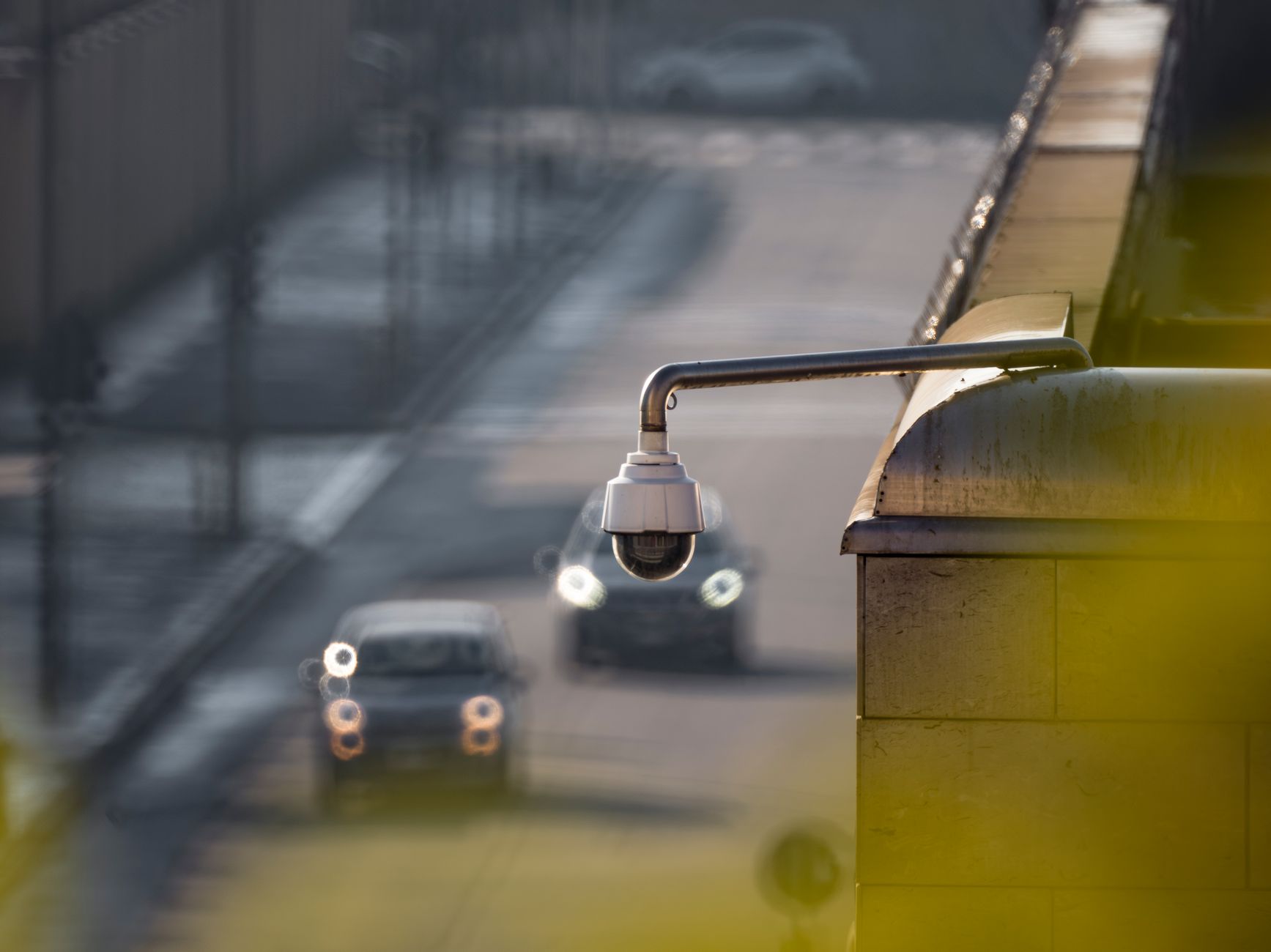
An inductive loop sensor is a traditional technology that uses a copper wire coil buried under the road surface to detect vehicles as they pass through, based on changes in the magnetic field. This solution is suitable for intersections with limited budgets, simple counting needs (counting quantity only, no classification), and stable road conditions with minimal digging.
The operating principle of an inductive loop sensor: an alternating current with a frequency of 20-50 kHz runs through the coil, creating a magnetic field. When a metal vehicle passes over, the inductance changes, triggering a counting signal. The installation cost for one loop per lane is about 15-30 million VND, including road cutting, wire threading, and asphalt patching. However, the biggest disadvantages are very limited vehicle classification capability (only distinguishing long/short vehicles), susceptibility to interference from parallel-running motorcycles, and high maintenance costs when the road surface deteriorates or infrastructure digging occurs.
Detailed comparison of AI cameras and inductive loop sensors

The table below compares the 6 most important criteria between AI traffic counting cameras and inductive loop sensors, helping you make an objective assessment before investing.
| Criteria | AI Camera | Inductive Loop Sensor |
|---|---|---|
| Accuracy | Best 95-99% in good lighting conditions | 85-95%, decreases when motorcycles run parallel |
| Vehicle Classification | Best Classifies motorcycles, cars, trucks, buses | Only distinguishes long/short vehicles |
| Initial Investment Cost | 40-80 million/intersection (includes camera + NVR + software) | 15-30 million/lane (excluding road cutting costs) |
| Annual Maintenance Cost | 5-10 million (camera cleaning, software updates) | 10-20 million (repairing broken loops, re-cutting roads) |
| Integration Capability | Best Easily integrates with SCADA systems, intelligent traffic light control | Requires additional signal conversion modules |
| Environmental Impact | Reduced accuracy in heavy rain, thick fog | Not affected by weather, but easily damaged when roads deteriorate |
Choose by use case: Should you use an AI camera or an inductive loop sensor?